For OEM lighting products, an LED Aluminum Channel is not just a simple housing for a strip light. It affects heat control, light appearance, installation accuracy, product consistency, and the final impression of the lighting system. When the channel is poorly matched, the finished light may show dark spots, uneven lines, weak mounting, surface scratches, or poor heat management.
For buyers sourcing led strip aluminum channel, the better choice is to work with a supplier that can support custom structure, stable extrusion quality, diffuser matching, surface finish control, and repeat order production. Our led aluminum channels are designed for lighting manufacturers, project contractors, distributors, and OEM lighting brands that need flexible profile solutions for different commercial and residential applications.
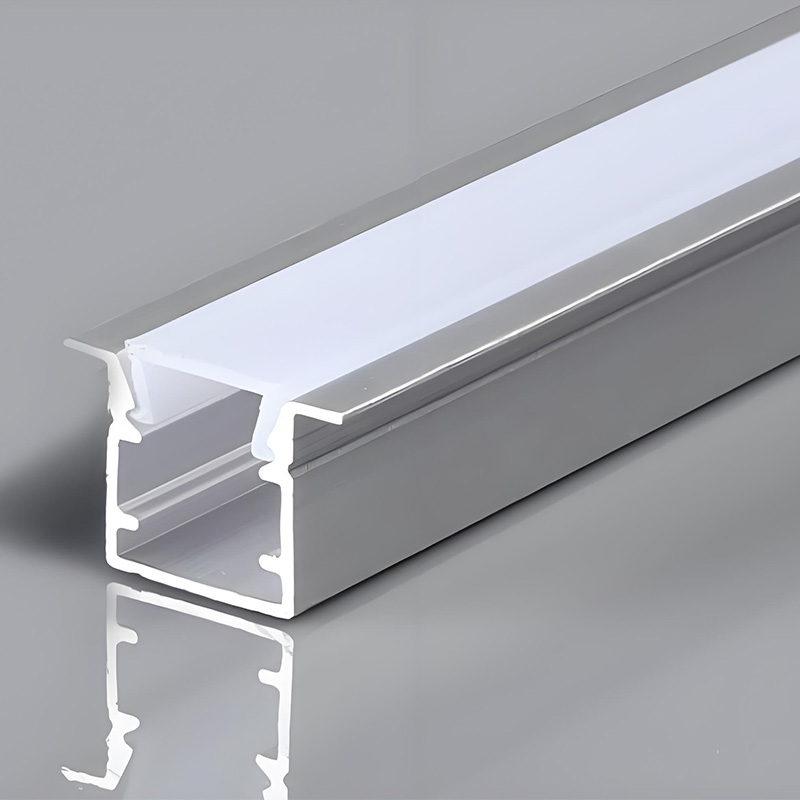
Before sourcing a custom led aluminum channel, buyers should first confirm how the final lighting product will be used. A cabinet light, linear ceiling light, retail display light, wardrobe light, wall washer, and furniture lighting system may all use LED strips, but the channel structure can be very different.
For example, recessed profiles need to sit flush with the installation surface. Surface-mounted channels need a clean visible appearance. Corner profiles need the right angle for directional lighting. Suspended linear profiles may need stronger structure and cleaner visual alignment.
This is why custom sourcing should begin with drawings, samples, installation photos, or a clear application description. Once the lighting layout is clear, the supplier can help review the channel shape, internal space, diffuser position, mounting method, and surface finish direction.
LED strips generate heat during use. If the channel cannot help transfer heat away from the strip, the lighting product may face lower stability, faster brightness decay, or shorter service life. Aluminum is widely used because it provides a solid structure while helping manage heat more effectively than plastic-only housings.
For OEM lighting products, heat control should be considered early. The channel depth, wall thickness, alloy selection, strip width, and installation environment can all affect performance. A slim profile may look attractive, but it still needs enough structure to support the LED strip and diffuser properly.
Good structural support also matters during installation. A channel that bends easily, has inconsistent dimensions, or does not hold the diffuser well can create problems for contractors and end users.
Many buyers focus on the aluminum channel first, but the diffuser is just as important. The diffuser affects glare control, light softness, visible dots, and the final line effect. For retail shelves, hotel rooms, cabinets, and architectural details, uneven light can make the whole product look low-end.
A good custom channel should leave enough space for the correct diffuser design. The strip position, diffuser thickness, cover material, and distance between LEDs all affect the final result. For some projects, a frosted diffuser is better for softer light. For others, a clear or semi-clear cover may be used when brightness is more important.
For OEM buyers, diffuser matching helps reduce complaints about light spots and makes the finished product easier to sell in professional lighting markets.
Custom LED aluminum channels often involve more than one change. Buyers may need a special length, different cross-section, surface color, anodized finish, powder coating, curved structure, diffuser type, end caps, mounting clips, or packaging method. These details should be confirmed before bulk production.
Important points to check include:
Profile drawing or sample structure
LED strip width and installation space
Diffuser style and light effect
Surface finish and color requirement
Cutting length and tolerance control
Mounting accessories
Packaging protection for long-distance shipping
Trial sample before mass production
For distributors and lighting brands, these details reduce the risk of receiving profiles that look correct but do not fit the final product.
A reliable LED aluminum channel supplier should not only extrude profiles. OEM projects often need cutting, drilling, surface treatment, assembly, packaging, and quality inspection. When these steps are handled together, buyers can reduce communication gaps and improve delivery consistency.
Our production support can cover custom aluminum extrusion, machining, cutting, surface finishing, assembly, and packaging. This is useful for lighting manufacturers that need profiles ready for their own production line, as well as distributors that want a more complete product package for local markets.
For long-term cooperation, consistency matters more than one sample. Stable wall thickness, straightness, surface quality, diffuser fit, and packaging all affect repeat orders.
Different buyers have different market goals. Some need a custom profile for their own LED linear light. Some need a private-label channel for wholesale distribution. Some need a project-specific profile for hotels, offices, retail stores, cabinets, or architectural lighting.
As a supplier, we can support OEM and ODM requirements based on drawings, samples, or project needs. Buyers can discuss profile shape, length, finish, color, diffuser, accessories, packaging, and branding direction before ordering. This helps make the aluminum channel better matched to the final lighting product and the local sales channel.
For lighting brands, custom development can also help avoid selling the same generic profile as every competitor. A well-designed profile can improve product identity and make installation easier for customers.
Low-cost channels may look attractive at first, but they can create hidden costs later. Poor extrusion accuracy may cause diffuser fitting problems. Weak surface protection may lead to scratches during shipping. Inconsistent cutting may slow down assembly. Poor packaging may create dents before the product reaches the buyer.
For OEM lighting products, these problems affect production speed, customer reviews, and after-sales cost. A better purchasing decision should consider profile quality, customization ability, production control, communication speed, and long-term supply stability together.
Sourcing custom LED aluminum channels for OEM lighting products should start from the final application, not only from the profile appearance. Buyers need to check heat dissipation, diffuser matching, installation method, surface finish, structural accuracy, and supplier production capability.
A suitable LED Strip Aluminum Channel can make LED lighting products look cleaner, perform more reliably, and fit different project requirements more easily. If you are developing cabinet lights, linear lights, retail display lighting, furniture lighting, architectural lighting, or custom OEM lighting products, send us your drawing, sample, target length, finish request, and order plan. We can help review the profile direction and provide practical support before production.