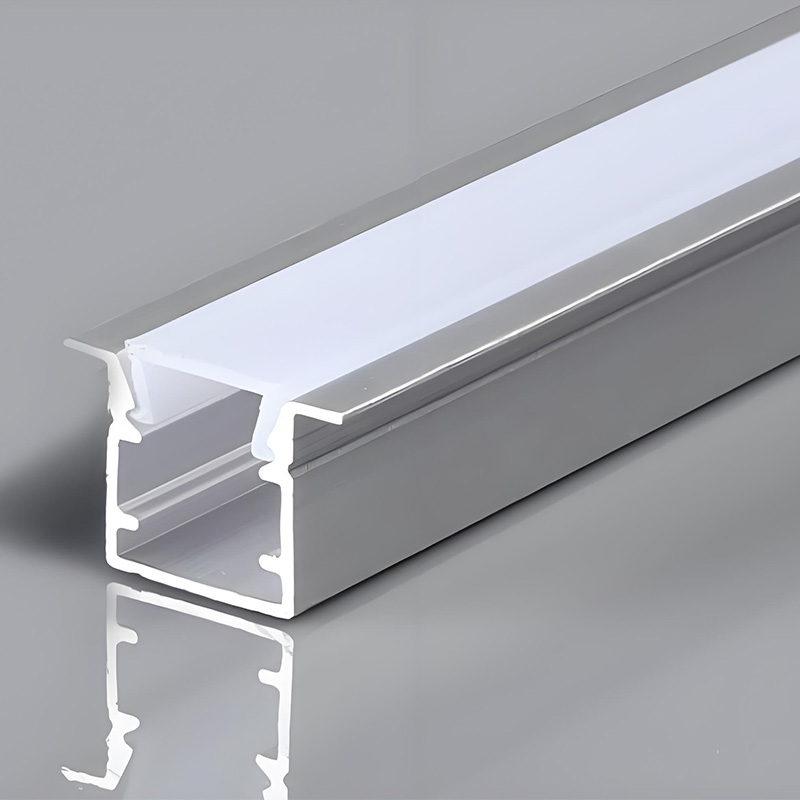
LED Aluminum Channels look simple before shipment, but importers know how easily they can become a claim problem. The profile is long, narrow, and surface-sensitive. If cartons are weak, separators are missing, or bundles are pressed during transport, the channels may arrive bent, scratched, dented, or difficult to install.
For lighting wholesalers, LED strip suppliers, project contractors, and import distributors, aluminum channels for led strip lights should be checked not only by profile shape and surface finish. Export packing must protect straightness, coating, diffuser covers, end caps, clips, and the overall installation condition.
A slightly bent aluminum channel can create serious site trouble. Contractors may find that the profile does not sit flat inside cabinets, ceilings, shelves, wall slots, or linear lighting runs. Once the channel is not straight, installers need extra time to adjust, cut, replace, or reject the piece.
For project orders, this is costly. The lighting strip may be ready, the workers may be on site, but one damaged batch of profiles can delay the whole lighting section.
led aluminum channels are often visible after installation. A scratched anodized surface, rubbed corner, or uneven coating can affect the finished look of retail displays, hotel lighting, cabinet lighting, and interior linear lighting projects.
That is why surface protection must be planned before packing. The buyer is not only purchasing an aluminum profile. They are buying a visible part of the lighting project.
Short aluminum parts are easier to protect. Long LED profiles are different. They can bend if the carton is too weak, if the bundle is not supported evenly, or if heavy goods are stacked on top during transport.
Before placing export orders, buyers should confirm carton strength, inner support, bundle quantity, end protection, and pallet handling method. For sea shipment, the packing should also consider long storage time, container movement, and warehouse transfer.
Profiles can scratch each other during vibration. This is especially important for anodized, powder coated, matte, brushed, or customized finishes. Without proper separation, the surface may already be marked when the importer opens the carton.
For aluminum channels for LED strip lights, packing should keep each profile stable inside the carton. The diffuser cover, aluminum body, clips, and end caps should not rub freely against each other during long-distance shipping.
A good channel is still difficult to use if installation clips, covers, or end caps are missing or mixed. Contractors do not want to stop work because small parts were packed loosely or counted incorrectly.
Bulk orders should have clear accessory grouping. Importers need to know how many diffusers, clips, end caps, and mounting parts are included with each channel length.
Diffusers can crack, deform, or scratch if they are packed without care. Once the diffuser is damaged, the light output may look uneven, and the project buyer may reject the set even if the aluminum channel is still usable.
For lighting distributors, this is a common hidden loss. The aluminum profile may pass inspection, but damaged diffuser covers still create replacement requests.
Our led aluminum channel uses aluminum alloy and can support anodized, powder coated, matte, glossy, brushed, or customized surface options. Different finishes need different protection levels. A plain industrial profile and a visible decorative lighting profile should not be packed with the same mindset.
Custom dimensions and colors also need stronger packing control because replacements may take longer to produce. If a custom-finished batch is damaged in transit, the project schedule may suffer more.
Importers and wholesalers should request pre-shipment checks for profile straightness, surface condition, cover matching, accessory quantity, and carton marking. These checks reduce disputes after arrival.
For lighting projects, straightness is not a small detail. It affects installation speed, light line alignment, and the final appearance of the project.
LED profile orders may include different lengths, colors, surface finishes, and accessory combinations. If cartons are not clearly marked, importers spend extra time sorting goods before delivery.
Carton labels should show profile type, length, finish, quantity, and accessory details. This helps wholesalers prepare orders faster for contractors, retailers, and project buyers.
Loose cartons are easier to crush or bend. Palletized packing can improve handling during loading, unloading, and warehouse transfer. For long aluminum channels, pallet length, stacking direction, and edge protection should be discussed before shipment.
Good pallet planning helps reduce claims caused by pressure damage and rough handling.
Poor packing can turn a good aluminum profile into a damaged shipment. For importers, the cost is not only the replacement value. It also includes inspection delay, contractor complaints, project rescheduling, and weaker customer confidence.
If your business needs aluminum channels for LED strip lights for cabinet lighting, retail display lighting, hotel lighting, shelf lighting, or linear interior projects, come to us to prepare the export packing plan properly. Send the required length, surface finish, diffuser type, accessory list, carton requirement, and order quantity. Our team can help match LED aluminum channel options with packing protection that reduces bending, scratches, missing accessories, and delivery disputes.