Hotel lighting projects rarely fail because of one single LED strip. The real pressure comes from quantity. A hotel may use strip lighting in corridors, guest rooms, wardrobes, mirrors, reception counters, stair edges, bars, display walls, and ceiling details. When one section fails, maintenance teams need to find the problem, open the profile, replace the strip, close the cover, and restore the lighting line without disturbing guests for too long.
For hotel contractors, lighting distributors, interior project suppliers, and maintenance teams, led strip in aluminium profile should be selected with future service work in mind. A clean lighting effect matters, but easy access, stable installation, heat control, and replaceable parts decide how much labor the hotel will spend after handover.
Some LED strips are installed in places that look good but are difficult to service later. Behind mirrors, inside wardrobes, under counters, or along ceiling slots, the profile may be hidden too deeply. When failure happens, workers may need to remove panels or disturb finished decoration.
Before installation, contractors should mark which lighting areas need easy opening and which areas can be more concealed. A good aluminium profile plan should support the lighting design without trapping the LED strip inside an unreachable structure.
In hotels, maintenance is not only a technical issue. If a guest room cannot be used because a lighting section needs repair, the cost is larger than the strip itself. In public areas, visible repair work can also affect the hotel’s service image.
This is why lighting profiles should be compared by service convenience, not only appearance.
When the diffuser cover is too tight, too fragile, or poorly matched with the aluminium body, maintenance becomes harder. Workers may scratch the surface, break the cover, or fail to reinstall it neatly after replacing the strip.
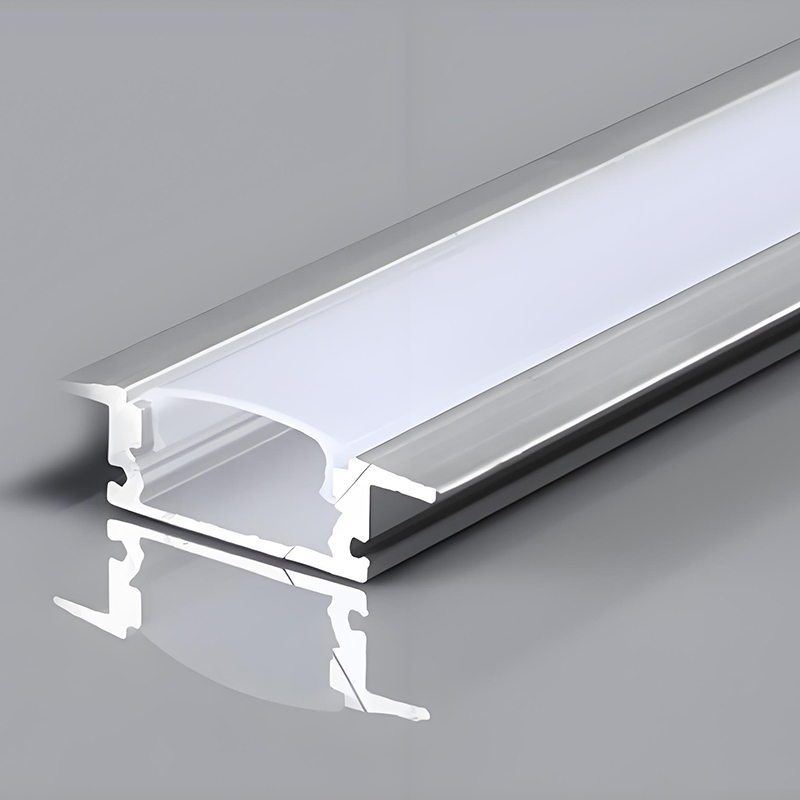
Our aluminium profiles for LED tape are designed as aluminium housings for LED tape, supporting structural protection, heat management, and cleaner lighting integration. For hotel projects, this helps the lighting system stay more organized during both installation and later service.
End caps, clips, covers, and profile lengths should not become one-time parts that are impossible to match later. Hotels may need replacement covers or small accessories months after the project is finished.
Lighting distributors should keep accessory records for each hotel order, including profile model, finish, diffuser type, mounting method, and installed location. This avoids confusion when the maintenance team requests spare parts.
Hotels often use long and continuous lighting lines. If the LED strip runs inside a weak or poorly ventilated profile, heat can build up and speed up light decay, color shift, or adhesive failure.
Aluminium alloy profiles help manage heat from LED tape, which supports more stable long-term operation. For hotel buyers, better heat control can reduce how often maintenance teams need to open the profile and replace strips.
Not every LED strip has the same heat output. High-density strips, brighter tape, and long-run installations need suitable profile size and thermal capacity. If the profile is too small, the project may look fine during testing but create service problems after long use.
Before bulk ordering, buyers should match strip power, profile size, installation position, and expected daily working hours.
Hotels may use several lighting scenes, but too many profile structures make maintenance more complicated. If every area uses a different profile, technicians need more spare parts and more installation knowledge.
A practical approach is to standardize where possible: one profile direction for wardrobes, one for mirrors, one for ceiling lines, and one for public area accents. This keeps the design flexible while reducing maintenance confusion.
Custom dimensions are useful for hotel interiors because every counter, wall slot, cabinet, and ceiling detail may be different. But custom profiles must be recorded clearly. Otherwise, later replacement becomes difficult.
Buyers should keep a simple project file with length, finish, diffuser type, installation area, and accessory list. This gives maintenance teams a faster way to reorder the right parts.
Hotel lighting profiles are often seen by guests, especially in mirrors, cabinets, shelves, counters, and decorative wall lines. If the surface is scratched during installation or maintenance, the whole lighting detail looks less refined.
Anodized, powder coated, matte, glossy, brushed, or customized finishes should be selected according to the hotel interior and cleaning routine. A finish that looks good but marks too easily can increase replacement pressure.
Aluminium profiles are long and can be damaged before they ever reach the hotel site. Bent profiles, scratched finishes, cracked diffusers, or missing accessories can delay installation before the lighting system is even tested.
For hotel projects, packing and carton marking should be discussed with the same seriousness as profile shape. Damaged profiles create site delays and make later maintenance records harder to manage.
A hotel lighting system should not become difficult to repair after the first year. When the LED strip in aluminium profile is planned with access, heat control, accessory records, surface protection, and standardized profile choices, maintenance becomes faster and less disruptive.
For hotel rooms, corridors, wardrobes, mirrors, counters, bars, and interior linear lighting projects, led strip in aluminium profile can help contractors create cleaner lighting lines while giving facility teams a more manageable service path.
If your business needs LED Aluminium Profiles for hotel lighting projects, interior contractors, lighting distributors, or long-run strip installations, come to us to prepare the profile plan properly. Send the lighting position, strip width, strip power, required length, diffuser type, finish direction, and maintenance concern. Our team can help match aluminium profile options that are easier to install, easier to service, and more suitable for hotel projects where lighting downtime must stay under control.