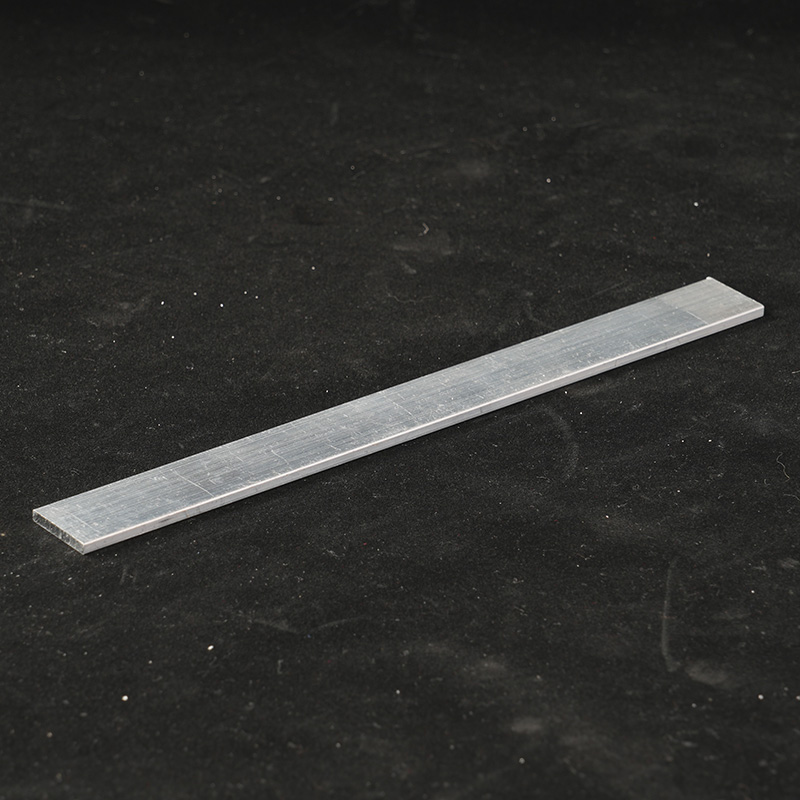
Aluminum parts often look simple before they enter fabrication. A flat bar may only need cutting, drilling, fixing, or welding, but once the material reaches the workshop or project site, small tolerance problems can slow down the entire assembly process.
For buyers ordering Aluminum Flat Bar in bulk, the real concern is not only price per meter. Width, thickness, straightness, surface condition, and packing protection all affect how smoothly the material can be used in frames, brackets, trims, supports, machinery parts, and architectural details.
Many buyers arrange cutting or drilling after receiving the material. If Aluminum Flat Bar sizes vary across the batch, the processing team may need to adjust the cutting plan repeatedly.
This creates more scrap, more measuring work, and more labor time. For project buyers, even a small tolerance issue can become expensive when the same part is used across many assemblies.
When a flat bar is used as a support, spacer, trim, or connection part, thickness consistency matters. If one batch is slightly thicker or thinner than expected, the final structure may not sit evenly.
This can cause visible gaps, poor fitting, or extra correction work before installation is accepted.
A short piece may look acceptable, but long flat bars reveal straightness problems more easily. This is especially important for decorative trims, display structures, lighting-related supports, and visible framework.
If the material bends or twists, installers may need to force alignment on site. That can affect both appearance and installation speed.
Poor packing may allow profiles to rub, bend, or shift during transport. Even well-produced material can arrive with deformation if cartons or bundles do not hold the flat bars properly.
For an aluminum flat bar project supplier, packing should match the length, quantity, and transport method of the order.
Some Aluminum Flat Bar orders are used in exposed areas. Scratches, stains, or uneven surfaces may not affect strength, but they can still create rejection during project inspection.
Buyers should confirm whether the material will be used as a hidden structural part or a visible finishing part before setting the surface requirement.
Rough or uneven edges can slow down assembly. Workers may need to polish, deburr, or rework the material before installation.
Better edge control helps reduce preparation time and makes the material easier to use in bulk fabrication.
Buyers should explain whether the flat bar will be cut, drilled, welded, painted, anodized, or installed directly. Different uses require different tolerance and surface standards.
This helps our factory review the order based on real project needs instead of treating every flat bar as a general material.
For bulk orders, buyers should confirm size tolerance, straightness requirement, surface standard, bundle protection, and delivery quantity before production.
These checks help reduce assembly problems after the material arrives.
Aluminum Flat Bar may seem easy to purchase, but stable dimensions and clean processing quality can protect fabrication efficiency, installation progress, and project acceptance.
Our team can discuss size requirements, surface finish, packing method, and bulk supply details for industrial, lighting, decoration, and architectural applications.
For more aluminum profile and flat bar supply information, you can visit https://www.kogeeal.com.