
Long aluminum profiles look simple before shipping, but they can easily become a problem if packing, loading, and handling are not planned carefully. For importers, distributors, contractors, and project suppliers, a bent profile is not only a damaged material. It may delay installation, create extra claims, affect warehouse resale, and make the customer question the whole order.
When buyers order aluminum rectangular tube or other long Extruded Aluminum Profiles for furniture structures, construction details, display frames, decoration, or LED channel applications, the product needs to arrive straight, clean, and ready for use. Sea freight is long, containers are handled many times, and profiles may face pressure from stacking, vibration, moisture, and careless unloading. That is why export protection should be planned before production is finished, not after the goods are already packed.
One common reason long aluminum profiles bend during shipping is uneven support inside the bundle. Aluminum is lightweight and easy to process, but long lengths need stable support along the full body. If the profile is tied too tightly in one area and left unsupported in another, the pressure may slowly create deformation during container movement.
This can happen more often when profiles are packed in mixed lengths or when heavy bundles are placed on top of thinner profiles. For buyers receiving bulk orders, the problem may not show on the outer package at first. Once the bundle is opened, some pieces may no longer stay straight enough for assembly or installation.
A better packing method should keep the profiles aligned, separated, and supported. For long aluminum profiles, the bundle should not rely only on tape or thin wrapping. It needs suitable inner support, stable bundling, and protection against bending pressure during lifting and stacking.
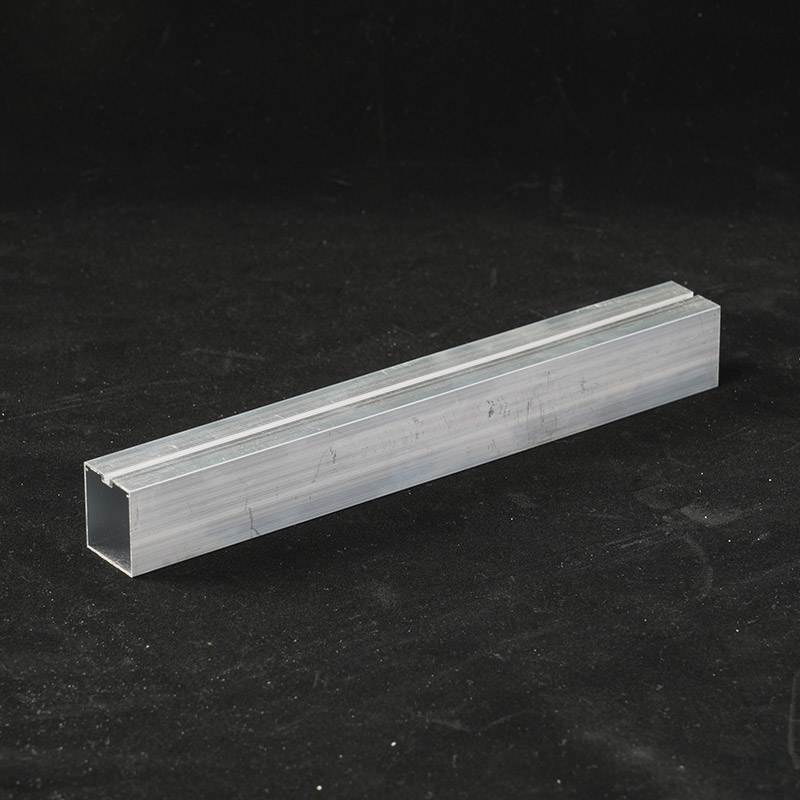
Many buyers focus only on bending, but scratches and dents can also reduce the value of the shipment. Profiles used in visible applications need a clean surface after arrival. If the surface finish is anodized, powder coated, brushed, or customized in color, careless packing can cause visible marks that are hard to accept in furniture, architectural, display, or decorative projects.
For an Aluminum Rectangular Tube, the corners and flat surfaces need special attention. Edges can rub against other profiles during vibration. The outer face can be scratched by rough separators, metal straps, or poor loading contact. When the finish is dark or decorative, small scratches may become more noticeable.
Good export packing should protect the surface, edges, and ends together. Film, foam, paper wrapping, spacers, reinforced cartons, or wooden cases can be selected depending on the profile length, finish, quantity, and shipping route. The goal is not to make the package look heavy, but to make the protection match the real shipping risk.
Many distributors do not order only one profile shape. A shipment may include rectangular tubes, square tubes with grooves, U profiles, edge profiles, round tubes, and other extruded aluminum sections. If these items are packed without clear separation, the risk of bending and surface damage increases.
Different profiles have different wall thickness, edge shape, weight, and surface sensitivity. A strong section may press against a thinner one. A grooved profile may catch the edge of another profile. A finished visible profile may be scratched by an unfinished structural profile.
For bulk export orders, packing by shape, length, finish, or application can make unloading and warehouse sorting easier. It also helps buyers inspect the goods faster after arrival. Clear labels on bundles or cartons can reduce wrong handling during warehouse transfer and project distribution.
Even well-packed aluminum profiles can be damaged if container loading is careless. Long profiles should be placed in a stable direction, not squeezed at an angle or forced into a space that is too tight. Heavy goods should not press directly on profile bundles. If the container has mixed cargo, the aluminum profiles need enough separation from sharp, heavy, or unstable items.
During sea freight, the container may experience vibration, tilting, and repeated movement. If the profiles can slide inside the package or if the bundles are not fixed properly, bending and dents may happen even without obvious external damage.
For project buyers, the loading plan should be discussed before shipment. This is especially important for long profiles, custom colors, visible surfaces, or orders that need to be used immediately after arrival. Once the container reaches the destination, a clean unloading plan also helps prevent new damage on site.
A reliable export order should include more than product size and quantity. Buyers should confirm how the profiles will be protected, bundled, labeled, and loaded. This is practical for wholesalers, contractors, lighting suppliers, decoration material distributors, and project procurement teams.
Before shipping long aluminum profiles, buyers can check:
Whether long profiles have enough support inside the bundle
Whether visible surfaces are protected from rubbing and scratches
Whether different lengths or finishes are packed separately
Whether corners and ends are protected from impact
Whether labels show size, finish, quantity, and project information clearly
Whether the loading plan avoids heavy pressure on the profiles
Whether the package is suitable for sea freight and destination handling
These details may sound simple, but they often decide whether the goods arrive ready for resale, fabrication, or installation.
Not every aluminum profile needs the same packing standard. Profiles used for hidden structural frames may need stronger bending protection, while visible decorative profiles may need better surface protection. Profiles prepared for LED channel applications may need clean edges and careful diffuser or accessory matching. Profiles for furniture or display systems may need better corner and face protection.
Our aluminum profile supply can support different shapes, sizes, finishes, and customized requirements. For Aluminum Rectangular Tube orders, we can review the length, wall structure, surface finish, bundle method, and shipping plan together before packing. This helps buyers avoid choosing a package that is too weak for the actual export condition.
Long aluminum profiles bend during export shipping because of uneven support, poor bundling, heavy stacking, mixed packing, careless loading, or insufficient surface protection. For buyers, the safest order is not only about making the correct profile. It is also about making sure the profile arrives straight, clean, and usable after sea freight.
If your shipment includes long Aluminum Rectangular Tube, visible surface profiles, mixed lengths, or custom-finished aluminum sections, packing should be reviewed before the goods leave the factory. We can help check the packing risk based on profile length, finish type, bundle weight, and container loading method, so your order is better prepared for long-distance export shipping.