Solar mounting systems stay outdoors for years, so the rail cannot be chosen only by shape or unit price. A good aluminum solar rail should support panel weight, resist weather exposure, fit clamps and fasteners properly, and keep installation stable after long-term use. For rooftop PV projects, factory roofs, commercial buildings, and distributed solar systems, the rail is one of the key parts that affects the safety and service life of the whole system.
For buyers sourcing a solar panel mounting rail, aluminum is a practical material because it combines light weight, corrosion resistance, and easy processing. Our customizable aluminum profiles can be adapted for structural and installation needs, with options for size, surface finish, color, and fabrication support. This gives solar mounting buyers more flexibility when standard profiles cannot fully match local project requirements.
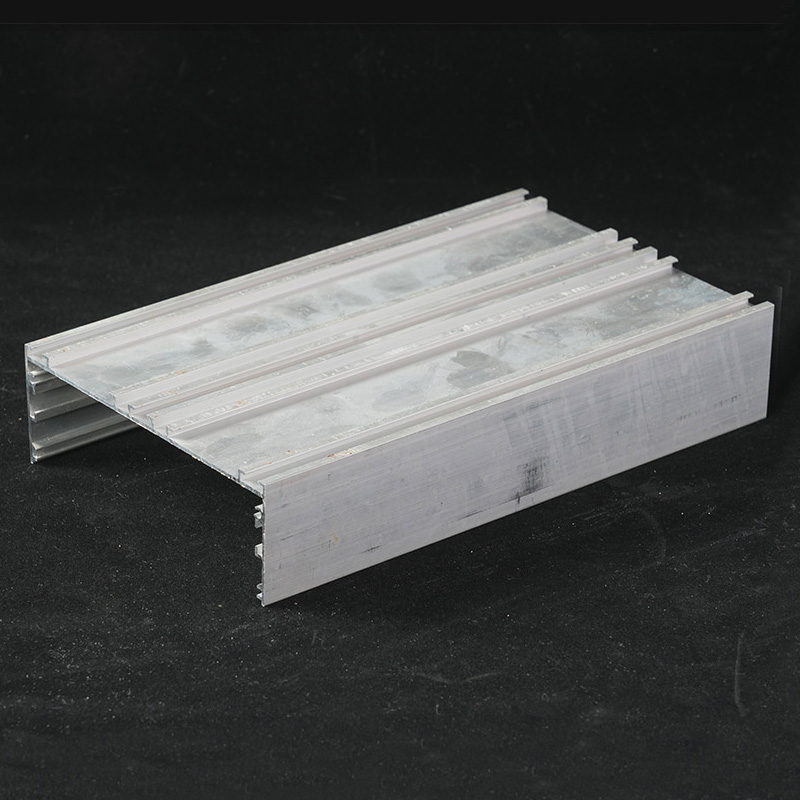
Outdoor use is the first point to consider. Solar rails need to face rain, humidity, heat, UV exposure, wind, dust, and temperature changes. In coastal areas or industrial zones, corrosion risk can be higher, so the surface finish and material selection become more important.
Aluminum is widely used because it does not add too much load to the roof while still offering stable structural performance. For installers, lighter rails are easier to move and position during rooftop work. For EPC contractors and distributors, lighter material can also help reduce handling pressure during transport and installation.
However, outdoor durability does not come from aluminum alone. Buyers should also check the rail design, wall thickness, surface treatment, drainage condition, and compatibility with the rest of the mounting system.
A solar rail must work together with clamps, bolts, L Feet, roof hooks, connectors, and module frames. If the slot design, rail height, or profile width is not suitable, installers may face slow installation, poor alignment, or unstable fixing.
Before ordering, buyers should confirm the panel frame size, clamp type, roof structure, fixing method, and required rail length. For metal roof projects, the rail may need to match L Feet or roof brackets. For flat roof or ground systems, the rail may need different fixing points and support spacing.
Custom aluminum profiles are useful when project teams need a special cross-section, adjusted slot, cleaner edge, or better connection with existing accessories. This helps reduce installation problems and makes the rail easier to use across repeated projects.
Solar mounting rails are exposed to outdoor weather for a long time. A suitable surface treatment helps protect the aluminum and keeps the rail looking cleaner during service. Common options include anodized, powder coated, brushed, or customized finishes.
For most PV mounting projects, anodized aluminum is often preferred because it gives the rail a clean surface and better outdoor resistance. Powder coating can be considered when buyers need a specific color or project appearance. The right choice depends on climate, project location, visual requirements, and budget.
For B2B buyers, finish consistency is also important. If rails from different batches look different, distributors and installers may receive complaints, especially for visible rooftop or architectural solar projects.
A reliable solar rail should not be evaluated alone. The whole mounting system should be reviewed together. Even a good rail can create trouble if the matching clamps, fasteners, and brackets are not suitable.
Buyers should consider:
Roof type and installation method
Panel size and frame thickness
Rail length and cutting tolerance
Slot design and clamp compatibility
Surface finish and outdoor environment
Packaging strength for long-distance shipping
Repeat order consistency
Custom processing needs such as cutting, drilling, and assembly
These details matter for solar installers, PV system integrators, wholesalers, and project buyers because one mismatched component can delay installation and increase labor cost.
Not every solar project can use a standard rail. Some markets need special dimensions. Some installers prefer pre-cut lengths. Some distributors need customized packaging. Some OEM projects require their own profile design to match a complete mounting system.
Our aluminum profile support can help buyers adjust size, finish, color, and processing details based on real project needs. For OEM and ODM buyers, this is useful when developing solar mounting rails, aluminum support channels, profile connectors, or related mounting accessories for local markets.
Custom support also helps reduce waste. Instead of cutting long rails on site, buyers can discuss pre-cut lengths or processing requirements before production. This can make installation faster and reduce handling problems during large project orders.
Low-cost rails may look attractive at first, but hidden problems can appear later. Thin wall sections, poor straightness, rough surface treatment, inaccurate slots, weak packaging, or inconsistent dimensions can create real project risks.
For solar mounting systems, these risks may lead to loose clamps, slower installation, roof adjustment problems, damaged rails during shipping, or higher after-sales cost. A better purchasing decision should consider material quality, processing accuracy, surface treatment, customization ability, and supply stability together.
For long-term outdoor use, the rail should be reliable enough for the project, not just cheap enough for the first order.
Selecting aluminum solar rail for long-term outdoor use means checking weather resistance, profile design, installation fit, surface treatment, and supplier capability. A suitable solar panel mounting rail should be lightweight, strong, corrosion-resistant, easy to install, and consistent across bulk orders.
If you are sourcing aluminum rails or custom profiles for rooftop solar systems, PV mounting structures, commercial solar projects, or OEM mounting accessories, share your drawing, roof type, panel size, finish requirement, and order quantity with us. We can help review the profile direction and provide practical support before production.