Commercial solar projects need rail systems that are strong, stable, easy to install, and reliable for long-term outdoor use. Unlike small residential installations, commercial PV systems usually involve larger panel arrays, heavier structural loads, tighter project schedules, and stricter cost control.
For contractors, EPC companies, distributors, and project buyers, choosing the right solar rail system affects installation speed, system safety, maintenance cost, and overall project efficiency. This is why aluminum solar mounting rails are widely used in commercial rooftop and ground-mounted PV structures.
Solar rails are the main support structure that holds panels in place. They connect panels with clamps, brackets, roof hooks, or ground mounting structures. If the rail system is not strong enough or poorly matched with the installation environment, the project may face deformation, unstable fixing, difficult installation, or higher labor cost.
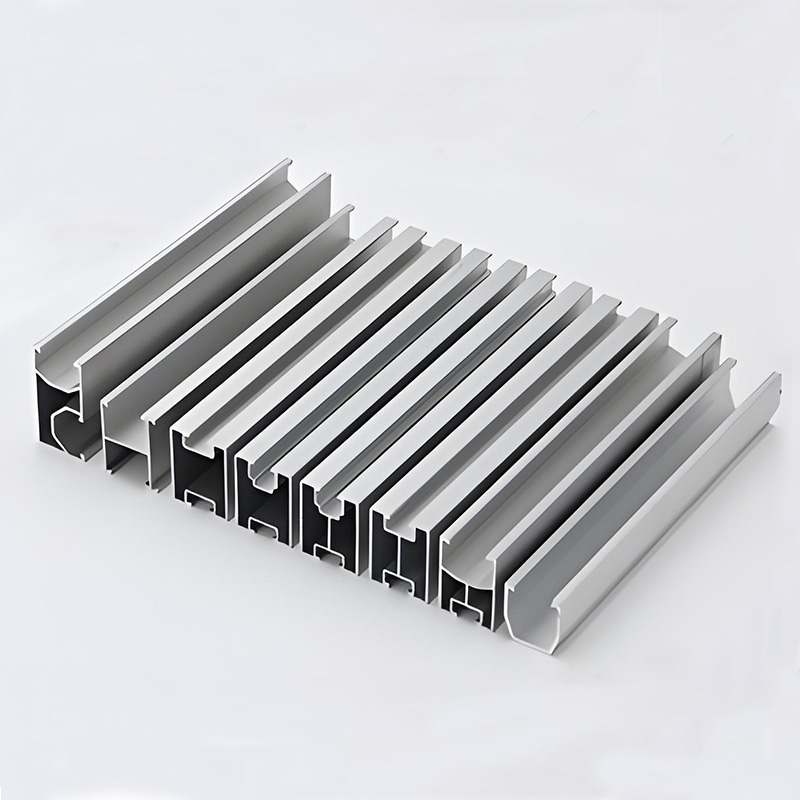
For commercial projects, the best rail system should offer stable load performance, corrosion resistance, accurate dimensions, and compatibility with different mounting accessories. Our Solar Panel Mounting Rails are designed with durable aluminum alloy, load-stable structure, and practical installation support for PV project use.
Commercial rooftops often require lightweight but strong mounting structures. Aluminum rails are a popular choice because they offer a good balance of strength, weight, and corrosion resistance.
For flat roofs, metal roofs, and large industrial buildings, aluminum rails can help reduce structural load while supporting stable panel installation. They are also easier to cut, transport, and install compared with heavier materials.
When buyers source aluminiun Solar Panel Mounting Rails, they should focus on extrusion accuracy, alloy strength, surface treatment, and compatibility with clamps. A small dimensional error can affect installation efficiency across hundreds or thousands of panels.
Ground-mounted commercial solar projects often require stronger structural planning because they are exposed to wind, rain, soil conditions, and long-term outdoor stress. The rail system must work together with posts, beams, clamps, and foundations to support the full PV array.
For these projects, buyers should check whether the rail profile has enough structural strength and whether the supplier can support customized lengths or profile designs. This can help reduce cutting waste, improve assembly speed, and make installation more efficient on site.
A reliable supplier should understand that ground-mounted systems are not only about material supply. They also require project-based thinking, especially when different installation sites have different load and layout requirements.
A suitable solar rail system for commercial projects should meet both technical and purchasing needs. Buyers should not only compare price per meter, but also look at long-term performance and installation efficiency.
Important features include:
Load Stability
The rail should maintain structural stability under panel weight, wind load, and snow load. A weak rail may bend or deform over time.
Durable Aluminum Alloy
Good aluminum alloy helps provide strength while keeping the structure lightweight. This is important for rooftop projects where building load matters.
Corrosion Resistance
Outdoor PV systems are exposed to rain, humidity, and temperature changes. Surface treatment helps improve long-term durability.
Accurate Extrusion
Stable dimensions help ensure smooth installation with clamps, brackets, and connectors.
Custom Length Support
Commercial projects often need specific rail lengths to reduce waste and improve installation planning.
Solar mounting rails are used in many commercial PV applications. Each project type has different requirements, so buyers should choose rail systems based on actual site conditions.
Common applications include:
Factory Rooftop Solar Systems
Industrial rooftops usually require efficient installation and stable support for large panel arrays.
Warehouse Solar Projects
Warehouses often have wide roof areas, making rail consistency and fast assembly very important.
Commercial Building PV Systems
For shopping centers, offices, and public buildings, both structure and appearance may matter.
Ground-Mounted Solar Farms
Large-scale solar farms need reliable rail systems that support long-term outdoor performance.
Carport Solar Structures
Solar carports require rails that work with larger structural frames while keeping panels securely fixed.
Standard solar rails can meet many project needs, but commercial projects often require customization. Different roof types, panel sizes, installation angles, and structural layouts may need adjusted rail dimensions or special profile designs.
For OEM/ODM buyers, customization can include rail length, profile section, hole position, surface finish, packaging method, and accessory matching. This helps buyers improve installation efficiency and reduce unnecessary processing at the job site.
Custom rail support is also useful for distributors who serve different regional markets. A profile designed for one project may need adjustment for another market’s installation habits or engineering requirements.
Before placing a bulk order, buyers should confirm several practical details with the supplier. These checks can reduce project risk and help avoid problems after delivery.
Buyers should review:
Aluminum alloy grade and structural strength
Surface treatment and corrosion resistance
Profile drawing and tolerance control
Compatibility with clamps and brackets
Available cutting length and packaging method
Bulk order capacity and delivery timeline
Support for project customization
For B2B purchasing, these details often matter more than a small price difference. A low-cost rail that causes installation delays or quality complaints may increase the total project cost.
Commercial solar projects depend on stable supply. A supplier must be able to provide consistent rail quality, clear production communication, and reliable delivery planning.
For wholesalers, EPC contractors, and solar mounting system brands, repeatable quality is essential. The sample should match bulk production, and each batch should remain consistent in dimensions, finish, and packaging.
KOGEEAL provides Solar Mounting Aluminum Profiles for buyers who need durable aluminum alloy, load-stable structure, and project-based customization. Our solar panel mounting rails can support commercial rooftop systems, ground-mounted PV structures, and other solar installation needs.
The best solar rail systems for commercial projects should offer load stability, corrosion resistance, accurate extrusion, easy installation, and flexible customization. Aluminum solar rails are widely used because they are lightweight, durable, and suitable for both rooftop and ground-mounted PV systems.
For project buyers, choosing the right rail supplier can help reduce installation risk, improve assembly efficiency, and support long-term system reliability.
If you are planning a commercial solar project or comparing solar mounting rail suppliers, send us your panel size, installation type, rail drawing, load requirement, and estimated quantity. Our team can help review your project needs and recommend a practical aluminum rail solution for your next order.