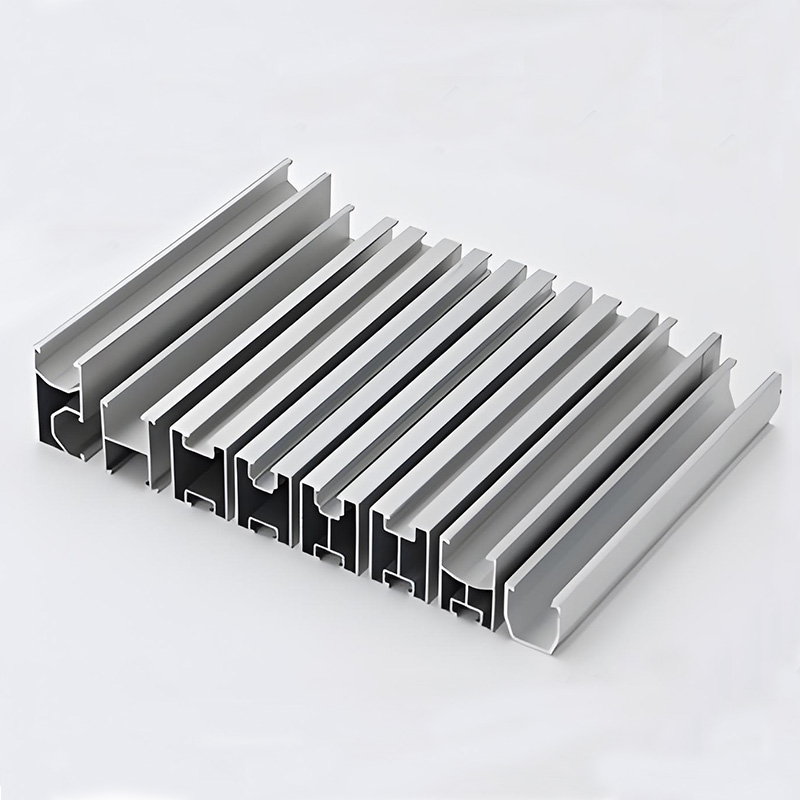
Corrosion Resistant Solar Panel Mounting Rails
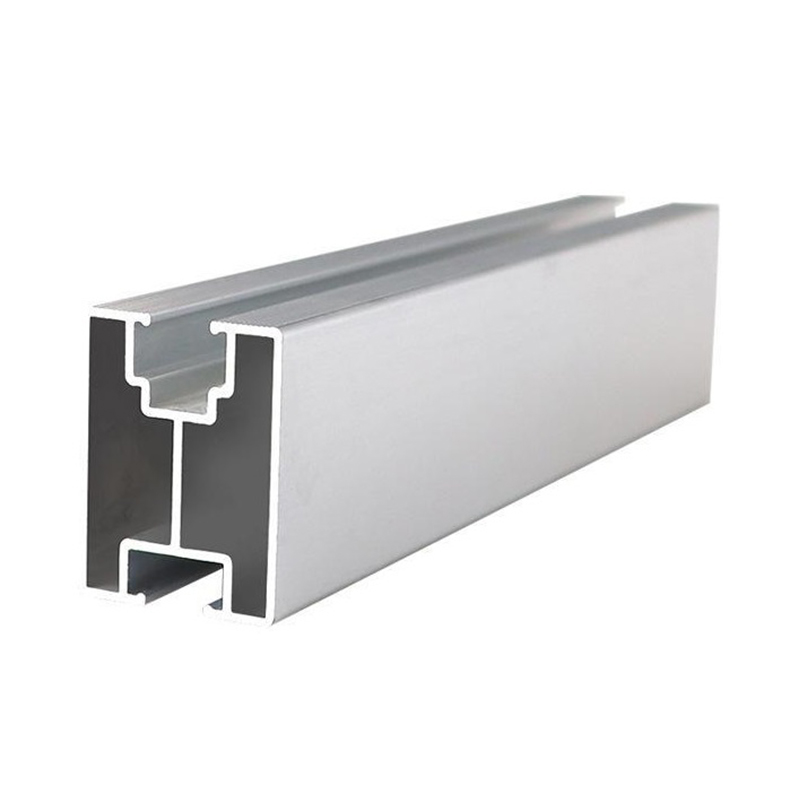
Solar Panel Mounting Rails form the continuous structural base that connects photovoltaic modules, clamps, connectors and roof or ground-mounting components into an organized installation system. Manufactured from aluminum alloy, these rails support accurate module alignment and distribute installation loads along the mounting line while keeping panel spacing consistent across the array. Dimensions, silver or custom colors, and matte, glossy, brushed, anodized or powder-coated finishes can be developed according to different photovoltaic mounting systems and project environments. As an OEM/ODM Solar Panel Mounting Rails manufacturer, we support customized profile development and coordinated rail supply for solar mounting distributors, EPC contractors, system integrators and photovoltaic equipment importers.
| Parameter | Specification |
|---|---|
| Material | Aluminum Alloy / Anodized / Powder Coated / etc. |
| Surface Finish | Matte / Glossy / Brushed / Customized |
| Dimensions | Customizable |
| Color | Silver / Customized |
| Application | Photovoltaic Mounting System / etc. |
| Custom | ODM/OEM |
1. Aluminum Alloy Structure
The rails use aluminum alloy to provide a practical balance between structural performance, manageable installation weight and outdoor durability. Their linear profile creates a continuous mounting foundation for photovoltaic modules and connecting accessories. Because the exact alloy grade and cross-section can affect performance, buyers should confirm the required profile according to project drawings and engineering calculations.
2. Customizable Rail Dimensions
Rail dimensions can be customized to match module layouts, support spacing and transportation requirements. Project buyers can coordinate cross-section design, slot position, wall thickness and rail length according to the intended mounting system. Final dimensions should be confirmed through technical drawings before production to ensure that the rail matches the selected clamps and connectors.
3. Multiple Surface Treatments
Available surface treatments include anodized, powder-coated, matte, glossy, brushed and customized finishes. Anodizing is commonly selected for exposed aluminum mounting components, while powder coating can provide a specific color or exterior appearance. The finish should be chosen according to environmental exposure, project design and compatibility with adjacent metal components.
4. Clamp-Compatible Channel
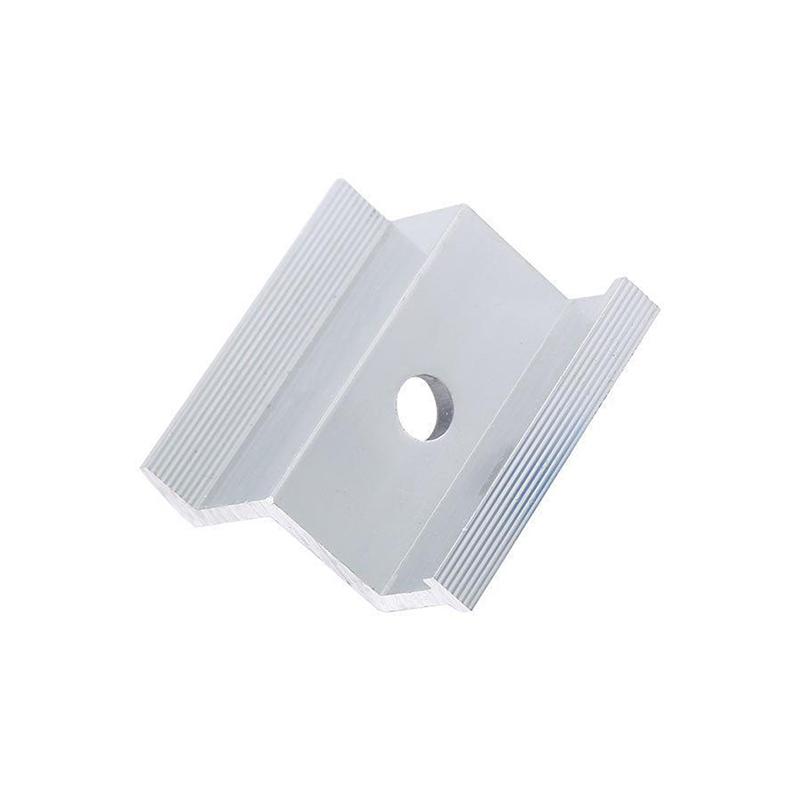
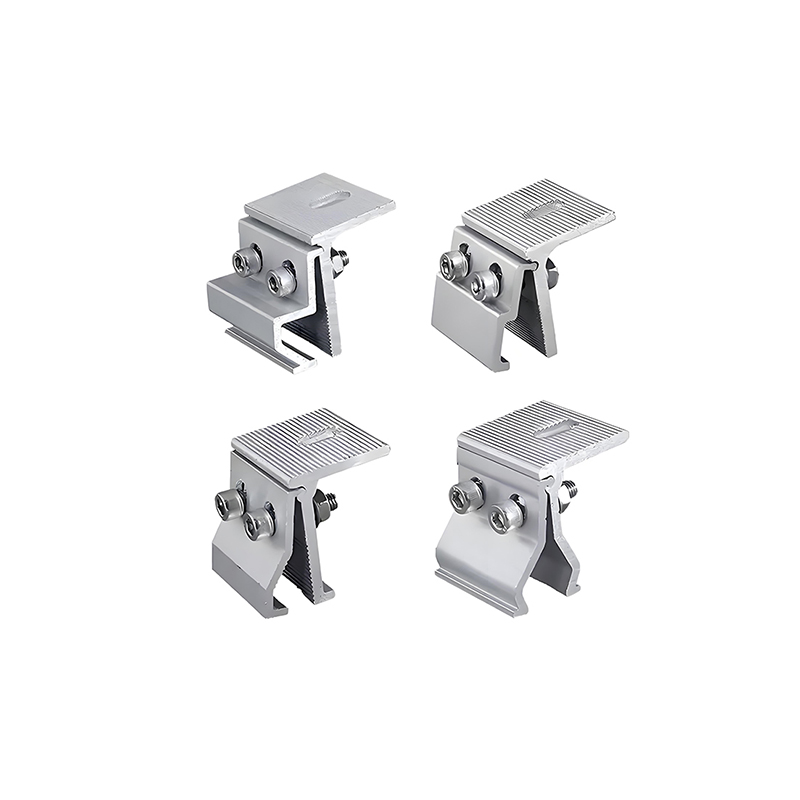
The rail shape allows compatible clamps and connectors to slide or lock into the channel during assembly. This structure gives installers flexibility when positioning modules and adjusting spacing along the mounting line. Buyers should confirm the clamp base, fastener size and channel geometry together instead of purchasing each component as an unrelated item.
5. Accurate Module Alignment
Solar Panel Mounting Rails provide a straight reference line for positioning photovoltaic modules across the array. Consistent rail placement helps installers control module orientation, row spacing and clamp locations during installation. For large projects, standardized rail profiles can also reduce variation between different roof sections or installation teams.
1. Pitched Roof Systems
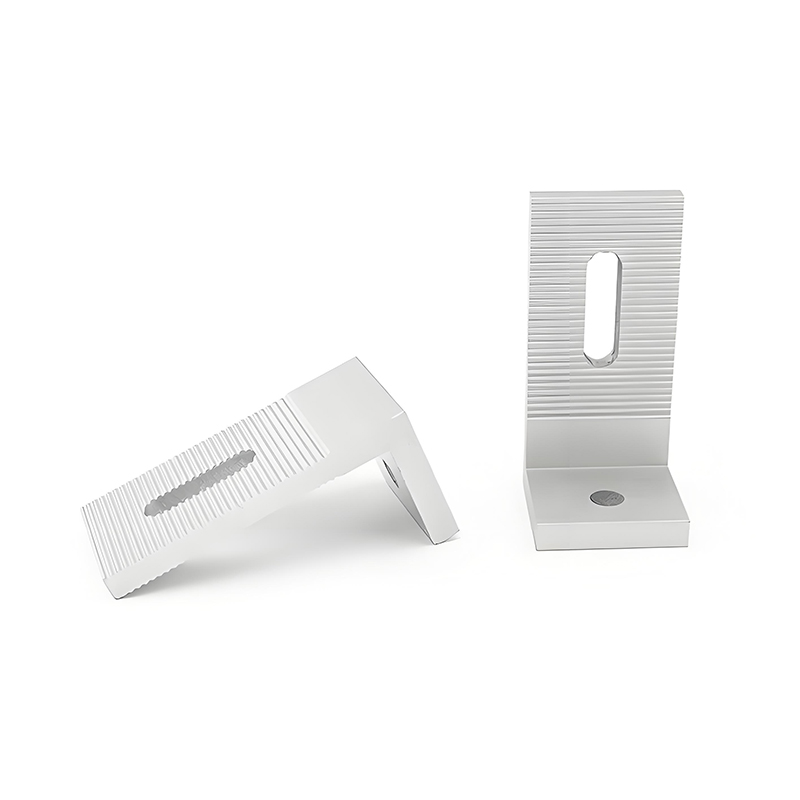
Pitched-roof photovoltaic systems can use aluminum mounting rails to connect modules with roof hooks, L-feet, clamps and other compatible accessories. The rails create an adjustable installation line above the roof surface while supporting consistent module positioning. Roof structure, attachment spacing, wind conditions and waterproofing details must be assessed before the rail configuration is finalized.
2. Flat Roof Installations
Flat-roof solar systems require rail layouts that coordinate with brackets, supports or ballast structures. Customized rail lengths can help installers organize module rows while reducing unnecessary connections between short sections. The final design should consider roof loading limits, drainage paths, tilt angle and access space for maintenance.
3. Ground-Mounted Arrays
Ground-mounted photovoltaic arrays use rails as part of a larger support structure containing posts, beams, brackets and module clamps. Aluminum rails provide the direct mounting interface between the structural support and the photovoltaic modules. Rail cross-sections and support spans should be selected according to project-specific wind, snow and structural calculations.
4. Commercial Solar Projects
Commercial rooftops often contain long module rows, several installation zones and repeated mounting configurations. Standardized Solar Panel Mounting Rails can make material planning, accessory matching and on-site identification more manageable. Project schedules should clearly separate different rail lengths and roof areas to reduce cutting and sorting work during installation.
5. Distributed PV Systems
Distributed photovoltaic projects may include homes, workshops, warehouses and agricultural buildings with different roof conditions. Custom aluminum solar mounting rails allow one profile family to be supplied in project-specific lengths and surface finishes. Installers should still verify the supporting structure and attachment method for each building rather than applying one layout to every roof.