
In most projects, people don’t spend much time arguing about whether a profile is called a U channel or a C channel. What really matters is simple — will it fit, and will it work once installed.
The confusion usually comes from naming habits. In some markets, the two terms are used loosely. But once you move into real applications like panel framing, edge finishing, or lighting integration, the difference becomes more practical.
That’s where an Aluminium U Profile Channel is often used. You’ll find it in furniture edges, wall trims, cabinet structures, and LED profile setups. Instead of focusing on the name, buyers usually look at how open the channel is, how easy it is to install, and whether it matches the rest of the structure.
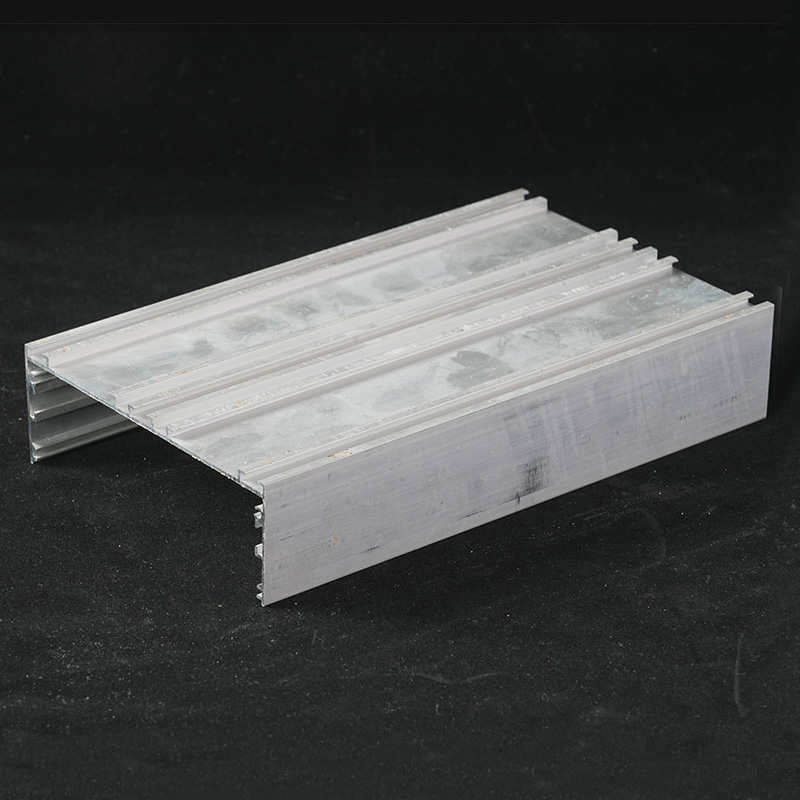
A U channel is more open. That makes it easier to insert panels, glass, or boards without forcing them into place. On site, this saves time and avoids rework.
You’ll see this a lot in cabinet panels, decorative strips, and partition edges where a clean finish matters but the structure doesn’t need to lock everything tightly.
A C channel feels more closed. It tends to hold materials more firmly, which can be useful in structural frames or situations where the insert should not move.
So the difference is not about which one is better. It’s about how much grip you need versus how much flexibility you want during installation.
In real projects, U channels show up in more places than people expect.
In furniture production, they are often used to protect exposed board edges or create a straight visual line along panels. In interior fit-out work, they help finish joints between materials like wood panels and wall surfaces.
In LED lighting, especially linear lighting, a U profile is often used to hold the strip and keep everything aligned. It also helps make the installation look more complete instead of leaving wiring exposed.
Our aluminium profile direction follows these kinds of uses. The idea is to keep the structure simple and practical so it can work across different scenarios without needing major changes.
Once a project moves into bulk production, small details start to matter more.
A profile that is slightly easier to cut, install, and adjust will save time across hundreds of units. It also reduces mistakes during installation, which is something most contractors care about more than anything else.
That is one reason U channels are widely used in project orders. They don’t require extremely tight insertion conditions, and they work well with different materials like plywood, MDF panels, acrylic sheets, or glass.
For distributors and project buyers, this kind of flexibility makes it easier to standardize across multiple jobs.
In reality, standard sizes rarely match perfectly.
Panel thickness may vary. Gaps may need adjustment. Some projects want a tighter fit, others prefer easier installation. This is where small dimensional changes make a big difference.
Our aluminium profiles can be adjusted in width, height, and thickness based on the actual use. The goal is not to redesign the product, but to make it fit the project better.
Surface finish also depends on the application. Brushed and anodized finishes are often used in visible decorative areas. Powder coating is more common when durability or color matching is required.
For OEM and ODM buyers, this allows one profile concept to be used across different product lines without starting from zero every time.
Even if the shape is correct, the final look depends on the finish.
A clean edge, consistent color, and smooth surface make a noticeable difference once installed. This is especially true in furniture and decorative projects where the profile is visible.
That’s why buyers often look at consistency across batches, not just the first sample. A good profile should stay stable in both dimension and finish over repeated orders.
In practice, the decision is quite straightforward.
If the profile is mainly for guiding, covering, or finishing edges, a U channel is usually the easier choice.
If the structure needs more holding force or a tighter fit, then a C channel may be more suitable.
Once the application is clear, the choice becomes obvious.
The difference between aluminum U channel and C channel is not really about the letter shape. It’s about how the profile works in real use.
An Aluminium U Profile Channel is often the more flexible option, especially in furniture, decoration, and LED-related applications where ease of installation and clean finishing matter.
If you are working on a project and need profiles that match your dimensions, finishes, or application requirements, feel free to share your drawings or ideas. We can help you adjust the profile to fit your actual use, whether it’s for standard supply or OEM and ODM development.