Aluminum profiles are used to create structural, decorative, and functional components across construction, manufacturing, energy, transportation, and lighting industries. They are popular because aluminum combines light weight, corrosion resistance, design flexibility, and machining efficiency in one material system. Through extrusion, aluminum can be formed into highly precise cross-sections that are difficult or expensive to achieve with many other materials. This makes aluminum profiles suitable for everything from minimalist interior trims to industrial machine frames and large-scale solar mounting systems.
For buyers, engineers, and project developers, the value of aluminum profiles is not only that they are made of aluminum. It is that they can be designed to solve very specific application problems. You can explore KOGEE product categories on our products page, including LED Aluminium Profiles, Solar Mounting Aluminum Profiles, Architectural Aluminum Profiles, general aluminum profiles, and Industrial Aluminum Profiles.
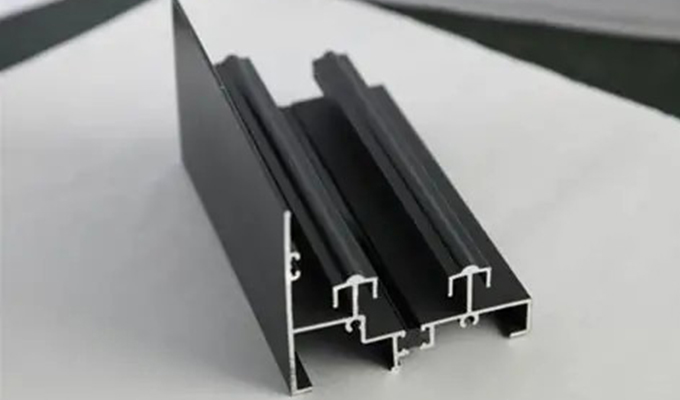
Aluminum profiles are widely used because they offer a balance that many materials cannot provide at the same time. They are light enough to reduce transport and installation burden, strong enough for many structural and semi-structural applications, and naturally resistant to corrosion in a wide range of environments. They also support anodizing, powder coating, polishing, and precision machining, which means one profile can meet both engineering and visual design requirements.
Another major advantage is extrusion flexibility. Aluminum can be extruded into simple bars, complex hollow chambers, slotted sections, rounded decorative trims, and highly technical multi-function profiles. This makes it possible to combine structural support, fastening logic, cable routing, drainage, thermal management, and aesthetic finishing in one section.
One of the largest use areas for aluminum profiles is construction. In architectural applications, aluminum profiles are used for window and door frames, curtain walls, partitions, façade systems, ceiling trims, skirting details, and structural support elements. Their popularity in modern building design comes from their clean visual lines, dimensional stability, and weather resistance.
In contemporary architecture, slim profile systems are especially important because they allow larger visible glass areas without sacrificing structural logic. Aluminum also works well with modern finishing systems, which is why it is frequently selected for premium residential projects, offices, commercial façades, and hospitality spaces. A durable architectural aluminum profile is often chosen when both appearance and long-term environmental resistance matter.
Aluminum profiles are also widely used in lighting, especially for LED strip installations. In this application, the profile acts as both a mounting structure and a heat-dissipation body. It helps protect the LED strip, improves alignment, and supports diffuser installation for a cleaner lighting effect.
This is why LED aluminium profiles are common in cabinets, retail shelving, offices, hotels, display counters, and architectural lighting lines. The profile helps create a more professional result by hiding the strip, improving thermal performance, and reducing visible dotting when used with the correct diffuser. In many projects, a custom aluminum profile for LED lighting is used when groove size, diffuser shape, or mounting style must fit a specific installation condition.
In solar projects, aluminum profiles are used for mounting rails, support frames, clamps, and structural connection elements. The lightweight nature of aluminum makes transportation and rooftop handling easier, while corrosion resistance supports long-term outdoor use.
Solar mounting profiles must balance strength, weather performance, and installation efficiency. They are typically designed to work with fastener systems, roof types, and load conditions such as wind and snow. For large commercial and utility-scale installations, profile consistency becomes very important because alignment and fast installation speed directly affect project cost and schedule.
Industrial aluminum profiles are commonly used to build machine frames, assembly workstations, conveyors, equipment guards, enclosures, automation structures, and modular support systems. In these applications, the profile is valued for modular assembly and process flexibility. Instead of welding every structure, users can assemble frames using brackets, connectors, and fasteners, which makes modification and expansion easier.
This is one of the reasons T-slot and similar structural profiles are so widely used in factories and automation projects. They allow engineers to build adjustable systems and add accessories later without redesigning the entire frame. A practical industrial aluminum profile solution often reduces fabrication time while improving maintenance access and future adaptability.
Outside of large architectural and industrial systems, aluminum profiles are also used in a wide range of general products. These can include trims, handles, decorative strips, protective edges, furniture components, transport housings, equipment casings, and custom hardware parts. In many consumer and light industrial products, aluminum is selected because it gives a clean finish, holds dimensional accuracy, and can be machined with good consistency.
They support product designers who need a precise shape with repeatable quality, whether the part is functional, decorative, or both.
| Application Area | Typical Use Of Aluminum Profiles | Main Advantage |
|---|---|---|
| Architecture | Windows, doors, curtain walls, trims | Corrosion resistance and clean appearance |
| LED Lighting | Strip channels, recessed profiles, diffusers | Heat dissipation and installation neatness |
| Solar Mounting | Rails, clamps, support frames | Lightweight outdoor structural support |
| Industrial Systems | Machine frames, workstations, enclosures | Modular assembly and adaptability |
| General Products | Decorative trims, handles, casing parts | Precision shape and finishing flexibility |
Although standard profiles are useful in many projects, real applications often require more than a catalog item. A profile may need a special groove size, additional wall thickness in one section, a hidden fastening feature, a cable channel, or a finish matched to the surrounding system. This is why many buyers eventually move toward custom profile development.
A custom aluminum profile allows the section to match the real use case rather than forcing the project to adapt around a standard shape. In architecture, that might mean matching a sightline target. In lighting, it might mean achieving better diffuser fit. In industrial projects, it might mean integrating structure and cable routing into one extruded section.
Choosing the right profile begins with identifying the application. If the profile is part of a visible building element, finish quality and weather resistance may be the priority. If it is used in a machine frame, rigidity and connection logic may matter more. If it is used in lighting, heat dissipation and diffuser compatibility will likely be more important than raw strength.
The next step is to evaluate environment, load, mounting method, and whether the profile must work with other components. Once those conditions are clear, it becomes easier to decide whether a standard section is enough or whether a project-specific extrusion would perform better.
KOGEE supports multiple aluminum profile categories and application directions. You can review them on our products to compare product lines and identify the best match for your project.
Aluminum profiles are used in a wide range of industries because they combine light weight, corrosion resistance, structural flexibility, and clean finishing in one adaptable material system. They are commonly used in architecture, LED lighting, solar mounting, industrial framing, and many general manufacturing applications where precise cross-section design adds real functional value. The best profile choice depends on the project’s load requirements, environment, installation method, and visual expectations.
If you are selecting aluminum profiles for construction, lighting, energy, or industrial use and want help identifying the right category or developing a custom solution, contact KOGEE. You can browse our products and share your application details with our team. We can help you evaluate the most practical profile option for your project and support your specification process.