
Aluminum and steel can both be excellent for structural frames, but they solve different engineering and project problems. Steel is often chosen when maximum stiffness, high load capacity, and familiar fabrication methods are the priority. Aluminum is often chosen when weight reduction, corrosion resistance, clean aesthetics, and fast modular assembly matter more. The best answer depends on where the frame will be used, how it will be fabricated, and what the total life-cycle cost looks like after installation, transport, and maintenance.
This article explains the real decision factors between aluminum and steel for structural frames, with a focus on architectural and building-related framing applications.
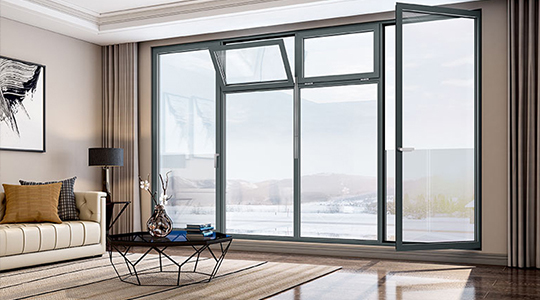
The most common mistake is comparing aluminum and steel only by raw strength numbers. A structural frame is a system. It must meet load requirements, deflection limits, connection performance, durability targets, and installation constraints. A frame for a façade support system behaves differently than a frame for an equipment enclosure or a modular partition.
Start by defining the loads the frame must carry, the allowable deflection, and whether the loads are static, dynamic, or cyclic. Then define the environment, such as indoor dry zones, coastal humidity, chemical exposure, or outdoor temperature cycling. Finally define fabrication and installation realities, including available welding capability, on-site assembly conditions, and transport limits. Once the project context is clear, the aluminum-versus-steel choice becomes much easier to justify.
Steel typically has higher elastic modulus than aluminum, which means steel is stiffer for the same cross-sectional geometry. In practical terms, a steel beam of a given size will deflect less than an aluminum beam under the same load. That stiffness advantage is one reason steel is widely used in heavy structural applications.
Aluminum can still meet the same performance goals, but it usually requires a different profile design to achieve stiffness, such as deeper sections, internal ribs, or optimized wall thickness distribution. This is where extrusion becomes a major advantage. Aluminum profiles can be engineered into complex shapes that increase moment of inertia without proportionally increasing weight. For many architectural frames, the design freedom of extruded aluminum can compensate for lower modulus by using geometry intelligently rather than simply adding mass.
Aluminum’s most immediate advantage is weight. Lighter frames reduce shipping cost, lower handling risk, and often speed installation. On projects where frames are installed overhead, on façades, or in modular assemblies that need frequent repositioning, weight reduction can translate into real labor savings and improved safety.
Steel frames can be strong and compact, but the heavier weight can increase lift requirements and slow on-site work. When installation schedules are tight, aluminum’s handling advantage often becomes a practical reason to choose it, especially for large quantities of repeating frame units.
Corrosion risk is often the hidden cost driver for frames. Steel typically requires protective systems such as galvanizing, painting, or powder coating, especially outdoors or in humid environments. When coatings are damaged by cuts, drilling, or abrasion, corrosion can start at edges and fastener zones. Maintenance cycles then become part of the real project budget.
Aluminum forms a natural oxide layer and generally performs well in many environments, especially when paired with suitable surface treatments such as anodizing or powder coating. For architectural framing, this can reduce long-term maintenance and help the frame maintain appearance. In coastal or chemically aggressive environments, material choice and surface treatment should be evaluated carefully, but aluminum framing is often chosen specifically to reduce corrosion-related service issues.
A durable architectural aluminum profile is usually selected not only for strength-to-weight, but also for predictable surface stability and reduced maintenance burden.
Steel fabrication is widely available and familiar, especially for welded assemblies. Steel can be welded easily in many project environments, and standard connection methods are well established. However, welding and grinding often require more finishing work to achieve a clean architectural appearance.
Aluminum fabrication relies more heavily on mechanical fastening, modular joining, and precision cutting. Welding aluminum is possible, but many architectural aluminum frames are designed to assemble with brackets, screws, and connector systems. This approach can improve consistency in repeat builds and allow faster on-site assembly with less finishing. It also supports disassembly for service or reconfiguration, which is valuable in modular systems.
Connection design is where aluminum frames can excel. Extrusion allows integrated grooves, T-slots, and alignment features that simplify assembly and improve dimensional consistency, especially in larger programs.
Aluminum generally has higher thermal expansion than steel. In applications with large temperature swings or long continuous runs, this difference affects joint design, expansion gaps, and seal behavior. This is not a reason to avoid aluminum, but it is a reason to design correctly. Expansion allowances, sliding connectors, and thoughtful segmentation can prevent stress buildup and noise.
Steel expands less, which can simplify some long-run structural detailing, but steel frames in outdoor applications still require expansion planning, especially when connected to materials with different expansion behavior.
In architectural frames, correct detailing matters more than material choice alone. A practical frame design accounts for temperature movement with predictable joints and tolerances.
Material price per kilogram is not the real cost of a frame. Total system cost includes machining, finishing, transport, installation labor, and long-term maintenance. Steel may appear cheaper at the raw material level, but coatings, heavier logistics, and corrosion maintenance can offset that advantage in many environments.
Aluminum may carry a higher material cost, but extrusion efficiency, lighter shipping, faster assembly, and lower corrosion maintenance can reduce total cost over the project life. This is why many buyers evaluate both options based on the complete frame program rather than a single-unit comparison.
| Scenario | Aluminum Frame Advantage | Steel Frame Advantage |
|---|---|---|
| Outdoor architectural framing | Corrosion resistance, clean finish, lighter install | High stiffness, familiar fabrication |
| Modular systems and repeat assemblies | Fast mechanical assembly, consistent extrusion geometry | Lower material cost in some regions |
| Heavy industrial load frames | Weight reduction for handling and transport | High load capacity with compact sections |
| Coastal or humid environments | Reduced corrosion maintenance with proper finish | Requires robust coating management |
| Long continuous spans | Geometry optimization through extrusion | Lower thermal expansion, higher stiffness |
This comparison works best when you use it alongside your load requirements and environmental conditions.
Architectural projects increasingly favor aluminum framing because extrusion enables integrated design features that steel often needs additional fabrication to achieve. Channels for fasteners, grooves for panels, alignment ribs, and consistent wall thickness can be built into the profile, supporting cleaner assembly and predictable finishing. This is especially useful when the frame must look good, install quickly, and stay stable over years of service.
KOGEE provides architectural aluminum profiles engineered for building and structural frame applications where precision, finish quality, and repeatability matter. You can review profile options on our architectural aluminum profiles page. For projects that require a custom profile, KOGEE can support specification-based development to match load targets, connection methods, and surface finish requirements.
Aluminum and steel are both valid choices for structural frames, but the better option depends on what your project values most. Steel is often preferred when maximum stiffness and high load capacity in compact sections are the priority. Aluminum is often preferred when weight reduction, corrosion resistance, architectural finish, and modular assembly speed are critical. The best selection comes from evaluating the full system: profile geometry, connection design, environment, installation workflow, and long-term maintenance.
If you are planning an architectural framing project and want guidance on selecting a practical and durable aluminum framing solution, contact KOGEE. Share your application type, load expectations, installation environment, and finishing preferences, and we can recommend suitable profile options and provide support for custom profile development when needed.