For metal material distributors, stock pressure often comes from one simple problem: customers rarely ask for exactly the same size. One buyer may need short aluminum strips for furniture brackets. Another may need longer pieces for frames, trims, reinforcement parts, or display structures. If the distributor only keeps highly specific profiles in stock, some materials move slowly while urgent custom cutting orders become harder to serve.
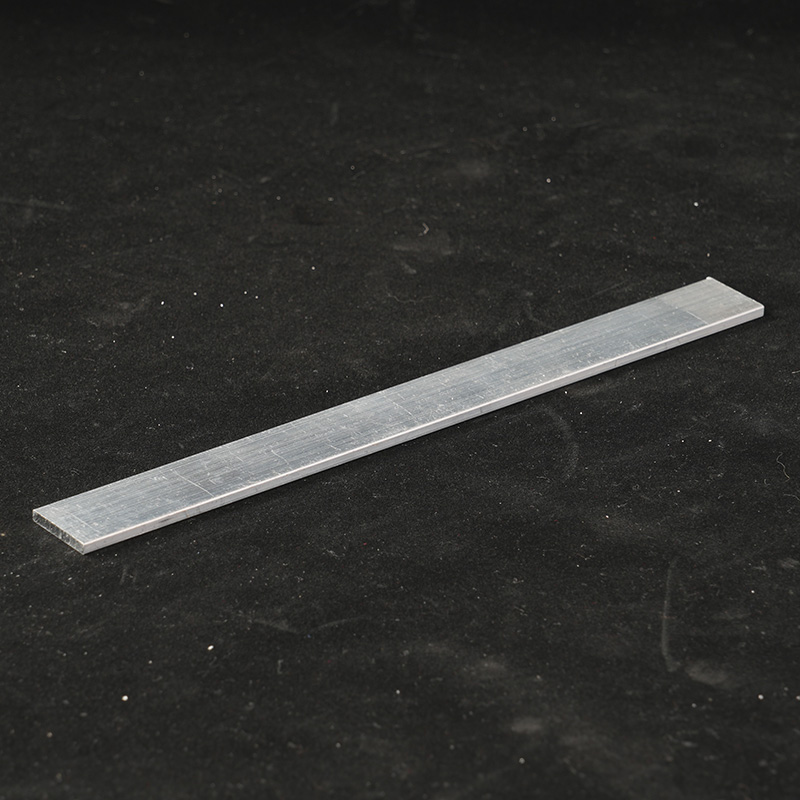
A flat aluminum bar gives distributors a more flexible stock option because it is simple, easy to process, and suitable for many secondary fabrication needs. Instead of waiting for one exact project, the same material can be cut, drilled, finished, or packed according to different customer orders.
Distributors do not only sell material. They also sell response speed. When a furniture factory, display rack maker, decoration contractor, or small fabrication workshop asks for cut-to-size aluminum, the buyer often expects quick confirmation. If the distributor needs to reorder every size from the factory, the lead time becomes too long.
This is why common aluminum materials with simple geometry are useful in warehouse planning. A flat rectangular section can support many downstream uses, from small reinforcement pieces to visible trims and lightweight frame components. For distributors, this helps turn one stocked material into more order possibilities.
A flat aluminum bar is especially practical for distributors who serve many small and medium orders. Instead of only selling full-length materials, they can provide cutting service based on customer drawings, length requirements, and application needs.
This creates more selling routes from the same stock. One batch can be used for furniture manufacturing, cabinet trims, display frames, interior fittings, support brackets, and decorative metal details. When the material can move through different customer groups, warehouse turnover becomes easier to manage.
For B2B buyers, this flexibility is also valuable. They do not always want to purchase more material than needed. Cut-to-size supply can help them control waste, reduce in-house cutting work, and prepare parts faster for assembly.
Not every customer wants the same finish. Some need silver aluminum for general fabrication. Others may need brushed, anodized, powder coated, or customized finishes for visible applications. If distributors can offer different finish directions, they can serve both functional and decorative projects.
Our Aluminum Flat Bar supports aluminum alloy material, customizable dimensions, silver or customized colors, and surface options such as anodized, powder coated, brushed, or customized treatment.
For distributors, this matters because finish selection can decide whether the material is used only as a hidden support part or as a visible component in furniture, interior decoration, or display structures.
The advantage of a flat bar is its straightforward shape. It is easier to measure, cut, drill, align, and pack compared with more complex profiles. For distributors offering value-added service, this reduces processing difficulty and helps workers complete small custom orders more efficiently.
A clear rectangular section also makes it easier for customers to understand the material. Buyers can send width, thickness, length, finish, and quantity requirements without needing complicated profile drawings. This is useful for repeat orders, especially when the customer only needs stable basic aluminum material for regular production.
For a flat aluminum bar, consistency is important. If width, thickness, straightness, or surface finish varies too much, downstream cutting and assembly can become less efficient. Distributors should treat size stability as part of their service value, not only as a production detail.
Before stocking Aluminum Flat Bars, distributors can review the customer groups they serve most often. Furniture factories may care about clean finish and easy drilling. Display manufacturers may care about surface appearance and straightness. Contractors may care about length options and quick cutting. Metal workshops may care about machinability and stable dimensions.
When these needs are clear, stock planning becomes more practical. Distributors can keep common sizes for fast-moving orders, then arrange customized dimensions or finishes when customers have project-specific needs. This approach helps avoid two common problems: overstocking slow materials and missing urgent cut-to-size opportunities.
Flat aluminum bars can help distributors serve more cutting and custom size orders because they are simple, versatile, and easy to adapt for different customers. For metal suppliers, furniture material distributors, display frame suppliers, and fabrication channels, this kind of material can improve inventory flexibility and support faster response to varied order sizes.
If your customers often ask for different lengths, finishes, or small-batch aluminum parts, stocking a practical flat bar range may be a better direction than keeping too many highly specific profiles. We are KOGEEAL, and our team can review your target applications, preferred dimensions, finish needs, and cutting plan to help match aluminum flat bars with the way your customers actually place orders.