Cabinet and furniture lighting needs more than a simple LED strip. In real projects, buyers usually want a lighting solution that looks clean, installs neatly, stays stable over time, and works with different furniture structures. That is where LED Extrusion Profiles become useful. Instead of leaving LED strips exposed, the profile helps turn the lighting into a more complete and reliable part of the product. For cabinet makers, furniture brands, and project buyers, this makes a practical difference in both appearance and long-term use.
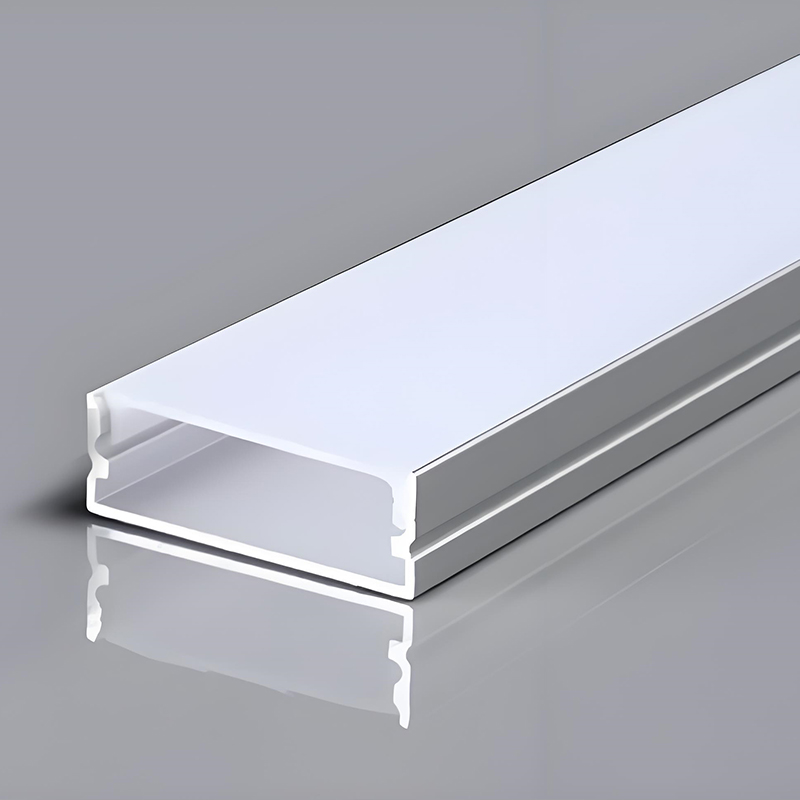
In many cabinet and furniture projects, the first challenge is not brightness. It is control. Exposed LED strips can create an unfinished look, especially in wardrobes, kitchen cabinets, bookshelves, display cabinets, and vanity units. The strip may work electrically, but the final result can still look rough. Uneven alignment, visible light dots, and weak structural protection often become problems after installation.
An LED extrusion profile helps solve this by giving the strip a defined housing. The lighting line looks straighter, the installation feels more organized, and the whole product appears more intentional. That is important in furniture because users usually see the light at close range. If the detail looks unrefined, the entire cabinet or furniture piece can feel lower in value.
One of the biggest practical advantages of LED Extrusion Profiles is heat management. Cabinet and furniture lighting often works in compact spaces, and some installations stay on for long periods every day. Without proper heat transfer, the LED strip may face reduced stability and shorter service life. For buyers, that can mean more maintenance issues later.
An aluminum extrusion profile helps transfer heat away from the LED strip more effectively than a direct exposed installation. In cabinet lighting, this matters because replacing strips after assembly is not always easy. A better profile choice at the beginning helps reduce later service pressure and supports more stable light output over time. For furniture manufacturers handling repeated orders, that kind of reliability is often more valuable than a lower initial component cost.
Furniture lighting is often part of the visual design, not just a technical function. In wardrobes, under-cabinet systems, shelves, and display furniture, the light line needs to match the product style. A profile helps make that possible by creating cleaner edges and a more controlled linear effect. When used with a diffuser, it can also soften the light and reduce direct glare.
This point is important for buyers serving premium or design-focused markets. Even if the furniture itself is well made, exposed lighting details can reduce the overall effect. A structured extrusion profile helps the lighting look integrated with the cabinet rather than added afterward. That is one reason this product is widely used in furniture lighting projects that require both function and appearance.
Cabinets and furniture are everyday-use products. Their lighting systems may be affected by dust, handling, opening and closing movement, or minor contact during cleaning and maintenance. Exposed strips are more vulnerable in these conditions. An LED extrusion profile adds a protective structure around the strip, helping reduce direct exposure and improving the durability of the installation.
For B-end buyers, this is especially relevant in volume production. A solution that works in one sample is not enough. It also needs to stay stable across many units and over longer use cycles. A protected strip is easier to standardize in manufacturing and usually causes fewer complaints after delivery. That makes the profile not just an accessory, but a practical part of product quality control.
Furniture lighting is not one fixed application. Some projects require recessed installation for a flush look. Others use surface-mounted solutions because the structure is already defined. Some need corner lighting, while others need shelf-edge illumination or integrated panel lighting. A major strength of LED extrusion profiles is that they can support different mounting methods without changing the basic lighting idea.
This flexibility matters in real project work. Furniture factories often handle different product series, and project buyers may need the same lighting concept adapted to multiple cabinet structures. A profile system that supports different installation directions makes development more efficient. It also reduces the need to redesign the furniture simply to fit a standard lighting part.
One of the most common problems in cabinet and furniture lighting is mismatch between the lighting component and the product structure. A standard profile may be too wide, too deep, or visually out of proportion for the cabinet. That leads to extra processing, slower assembly, or compromises in appearance. For OEM and ODM projects, this can quickly become a cost issue.
Customizable LED extrusion profiles help reduce that friction. When the profile dimensions, finish, color, and shape can be adjusted, the lighting solution fits the furniture more naturally. This is especially useful in bulk orders where consistency matters. Buyers can align the profile with the design target instead of forcing the design to work around a fixed section. That usually improves both assembly efficiency and visual consistency.
In furniture lighting, light quality is just as important as light presence. Users do not want harsh points of light when they open a wardrobe or look at a display cabinet. They usually expect a softer and more even lighting effect. LED extrusion profiles support this by working with diffuser covers that help spread the light more smoothly.
That makes a visible difference in applications such as glass cabinets, retail furniture, vanity storage, and decorative shelving. A diffuser used with a profile can make the lighting feel more comfortable and more professional. For buyers, this helps improve the finished look without changing the core LED strip system. It is a practical upgrade that supports better presentation.
For long-term furniture and cabinet programs, buyers usually think beyond one project. They care about repeatability, dimensional consistency, and whether the lighting solution can remain workable as product lines expand. LED extrusion profiles support that kind of planning because they give the lighting a more stable structure. They are easier to standardize across different units and easier to adapt when product details change.
This is one reason they are widely used in furniture lighting rather than treated as optional add-ons. They help balance design, function, and manufacturability. For cabinet factories, furniture exporters, and project contractors, that combination makes them a practical and scalable solution.
LED Extrusion Profiles improve cabinet and furniture lighting by giving LED strips better heat dissipation, cleaner appearance, stronger protection, more flexible installation, and improved compatibility with diffusers and custom structures. In real furniture projects, these advantages help create lighting that not only works, but also looks more refined and performs more reliably over time.
If you are developing cabinet or furniture lighting products and need a profile solution that fits your structure, finish, and project requirements, feel free to contact us. We can help review your application, discuss suitable profile options, and support custom development for more practical and consistent lighting results.