
Aluminum LED channels are used in real lighting projects wherever buyers need cleaner installation, better strip protection, and a more controlled linear lighting effect. In practical terms, they are common in cabinets, shelves, walls, ceilings, display systems, and architectural details because they help organize LED strips and diffusers into a stable layout. For product-focused projects, this matters even more. A suitable profile is not just a metal housing. It affects installation quality, light presentation, heat control, and long-term project consistency. The Aluminum LED Channel for Led Strip Lights offered by ZHIGAOXING is built around these needs, with customizable structures, multiple finish options, and compatibility with different mounting methods.
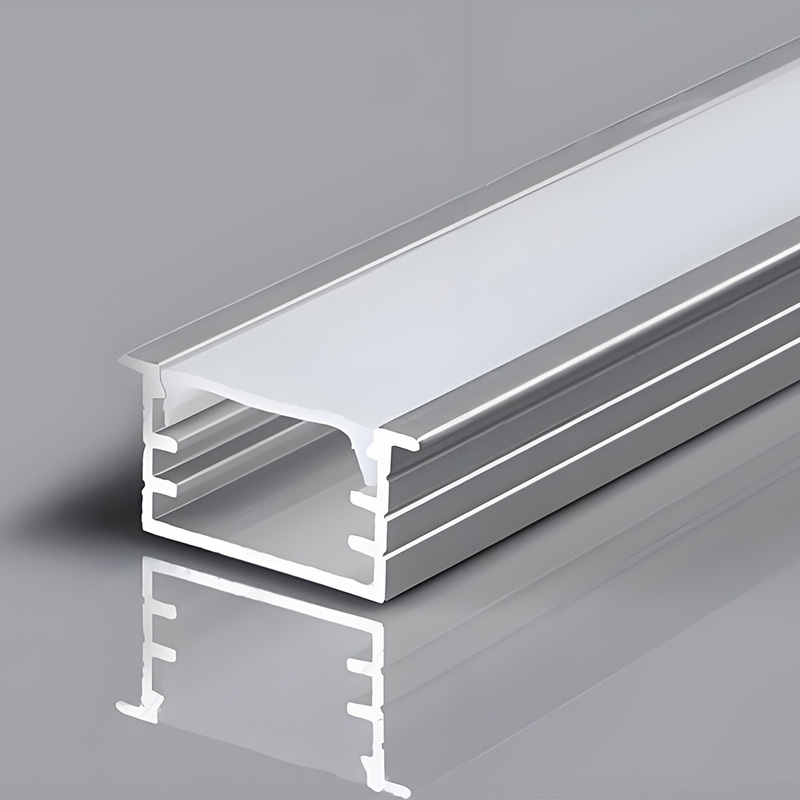
In real lighting projects, buyers are rarely choosing based on the LED strip alone. They are usually trying to solve several problems at the same time. The lighting line must look straight, the structure should protect the strip, the installation should match the furniture or architectural design, and the finished result needs to work for repeated production. Exposed strips can provide light, but they often look unfinished. An aluminum LED channel helps turn a basic strip into a cleaner and more professional lighting element.
This is especially important in commercial and project-based work. Contractors, furniture factories, and lighting buyers often need stable dimensions, cleaner assembly, and a profile that will not disrupt the appearance of the final product. That is why aluminum LED channels are used so widely in actual installations. They are practical, adaptable, and easier to integrate into finished products than loose strip lighting alone.
One of the most common uses for aluminum LED channels is cabinet and furniture lighting. This includes kitchen cabinets, wardrobes, bookshelves, vanity units, display cabinets, and under-shelf lighting. In these projects, the channel helps create a neater lighting line and protects the strip inside a fixed structure. It also improves the overall appearance of the product because the lighting detail looks more deliberate and less temporary.
For furniture manufacturers and project buyers, another important factor is fit. Standard channels do not always match the groove depth, visible width, or design proportion of the furniture. That is why custom profile size and finish can matter. A channel that fits the product structure properly saves time in assembly and helps maintain a cleaner finished look. In this kind of project, the aluminum channel is not only a support accessory. It becomes part of the furniture detail itself.
Ceiling and wall lighting is another major application area. Many modern lighting projects use linear light effects to define space, improve visual layering, or support architectural lines. In this setting, aluminum LED channels are often used to hold strip lights in a straight and controlled path. This helps the final lighting line look cleaner and more consistent after installation.
For buyers, the main challenge here is often accuracy. A strip light by itself may provide enough brightness, but it does not always give the finished edge, structure, or installation control that project work requires. A proper channel helps keep the line straight, supports diffuser integration, and makes the lighting detail look more complete. In real commercial interiors, this is often the difference between a basic solution and a project-ready one.
Retail fixtures, showroom displays, and commercial interiors also make heavy use of aluminum LED channels. Display shelves, wall niches, counters, product stands, and visual merchandising systems often rely on LED strip lighting to highlight products and improve presentation. In these cases, the channel helps make the light more usable and the installation more attractive.
Commercial buyers usually care about repeatability. The same display concept may need to be produced in large quantities, and each unit must look consistent. If lighting details vary from one fixture to another, the overall project looks less professional. Aluminum LED channels help reduce that risk by providing a more controlled structure for the strip and diffuser. They support a cleaner light line and a more uniform visual standard across batch production.
Architectural detail lighting is another important real-world use. This includes stair lighting, wall recesses, ceiling details, decorative gaps, reception areas, corridor features, and trim-based linear lighting. In these projects, the channel is not just used to hold the LED strip. It becomes part of the visible design language of the space.
That is why profile shape, finish, and installation method matter so much. Architects and contractors may need narrow channels, deep sections, corner profiles, or recessed solutions depending on the drawing. Some projects also require special shapes or customized visible edges to match the architectural detail. In that kind of work, aluminum LED channels are used because they help translate a lighting idea into an installable and repeatable structural solution.
Display cases and showcases are another strong application area for aluminum LED channels. Jewelry counters, cosmetics displays, museum showcases, electronics cabinets, and branded product displays often require controlled lighting in a limited space. The lighting needs to be clean, focused, and visually refined without exposing raw strip lines.
In these projects, a channel helps improve both appearance and practicality. It protects the strip inside the structure, supports better diffuser placement, and keeps the lighting layout organized. Buyers in this segment often care about visual precision because the light is close to the product being displayed. If the installation looks rough, the perceived value of the displayed goods can also drop. That is why aluminum LED channels are widely used in premium showcase systems.
Another reason aluminum LED channels are used so widely is heat dissipation. LED strips are compact, and many of them run for long periods in enclosed or semi-enclosed spaces. If heat is not managed well, the strip may face reduced stability, shorter lifespan, or more maintenance issues over time. An aluminum profile helps transfer heat more effectively than a strip applied directly to a simple surface.
For buyers, this is not only a technical advantage. It is also a project risk issue. In many furniture, retail, and architectural installations, replacing the strip after assembly is inconvenient and costly. A better profile choice at the beginning can help reduce later service pressure. That is one reason many project buyers see aluminum LED channels as part of the lighting system, not just an optional accessory.
Many lighting buyers choose aluminum LED channels because they want a cleaner finished appearance. In practical terms, this means hiding the raw LED strip more effectively, supporting a smoother light line, and making the installation look integrated with the surrounding material. This is especially important in residential interiors, branded commercial spaces, hospitality projects, and product display systems.
A diffuser used with the channel can also improve how the light is presented. Instead of seeing exposed LED points directly, the output can appear softer and more uniform. That creates a more refined visual effect, which is often important in decorative and architectural lighting. For many buyers, this visual improvement is one of the main reasons to specify an aluminum LED channel from the start.
A common problem in project procurement is that one standard profile rarely fits every application. Buyers may need different widths for different strip types, different depths for light diffusion, or different finishes to match cabinets, walls, or metal structures. Length and cutting efficiency also matter in batch production because they affect waste, labor time, and installation speed.
That is why customization is so important in real orders. A supplier that can support different dimensions, colors, finishes, and structural forms gives buyers more flexibility. It also reduces the need to redesign the project around a fixed stock profile. For furniture factories, lighting contractors, and brand display buyers, this is often a more practical advantage than price alone.
Not every aluminum LED channel is suitable for every project. A cabinet groove application may need a slim recessed profile, while a commercial wall lighting project may require a wider section with a diffuser for softer output. A retail display may focus on visual finish, while an architectural project may focus on installation method and profile proportion. That is why real buyers usually evaluate more than just the basic material.
The better approach is to match the profile to the actual use scenario. Buyers should consider where the channel will be installed, how visible it will be, what kind of light effect is expected, and how the final product will be assembled. In this way, the aluminum LED channel becomes a practical project component rather than a generic add-on.
So where are aluminum LED channels used in real lighting projects? They are used in cabinet lighting, furniture lighting, ceiling and wall linear lighting, retail displays, showcases, and architectural detail lighting. Across these applications, the channel helps improve installation quality, support cleaner visual results, protect the LED strip, and contribute to better heat management. That is why it remains a practical choice in both decorative and functional lighting projects.
If you are planning a lighting product or project and need the right Aluminum LED Channel for Led Strip Lights, feel free to contact us. We can help review your application, discuss profile options, and provide guidance on dimensions, finishes, and installation solutions that fit your project more effectively.