
A fluorescent tube light is a long, narrow lamp designed to provide even and efficient lighting across a wider area. Unlike a small point-source bulb, it spreads light in a straight linear form, which is why it has been widely used in offices, workshops, retail spaces, kitchens, garages, schools, and many other commercial or residential settings. Its shape makes it practical for ceiling fixtures, under-cabinet lighting, task lighting, and continuous lighting layouts where a clean line of illumination is needed.
When people ask what a fluorescent tube light is, they usually want more than a dictionary answer. They want to understand how it works, why it has been so common for so many years, and how it fits into today’s lighting systems. In simple terms, it is a linear lamp that produces light through an electrical process inside a sealed glass tube. In practical terms, it became popular because it offered broader light distribution and better efficiency than many traditional bulbs.
A fluorescent tube light works by sending an electrical current through a gas-filled tube. Inside the tube, that current excites mercury vapor, which produces ultraviolet energy. The inside coating of the tube then converts that energy into visible light. This is why fluorescent lighting works differently from an incandescent bulb, which creates light mainly by heating a filament.
That internal process is also why fluorescent tubes need supporting electrical components in the fixture. The tube itself is only part of the system. The ballast and, in some fixtures, a starter, help regulate the current and allow the lamp to start and operate correctly. Without those components, the tube cannot function as intended.
For many users, the technical details matter less than the result. What they notice is that a fluorescent tube light can illuminate a longer area more evenly than a standard bulb. That practical lighting effect is the main reason it became such a common choice in functional spaces.
Fluorescent tube lights became popular because they offered a useful mix of efficiency, brightness, and coverage. A single linear tube could light a desk row, a corridor, a shelving area, or a workbench more evenly than a single round bulb. In settings where visibility mattered, that made a real difference.
Another reason was their suitability for structured lighting layouts. Long fixtures could be arranged in rows and mounted across ceilings or integrated into work areas. This helped create bright, organized spaces without relying on too many individual light points. In offices, retail displays, and industrial interiors, that kind of lighting control was highly practical.
Their slim form also supported cleaner visual lines. Over time, this led to more refined fixture design, including housings and profile-based systems that improved light integration and overall appearance.
Fluorescent tube lights have been used in a wide range of environments because they work well wherever broad, even lighting is needed. They are common in commercial interiors, warehouses, schools, kitchens, utility rooms, workshops, and display spaces. In many of these settings, lighting is not just decorative. It needs to support visibility, comfort, and daily work.
This kind of lamp has also been useful in task-oriented spaces because of its linear coverage. A work surface often benefits from a longer strip of light rather than a concentrated point of brightness. That is why fluorescent tubes have often been paired with under-cabinet fittings, shop fixtures, and long ceiling units.
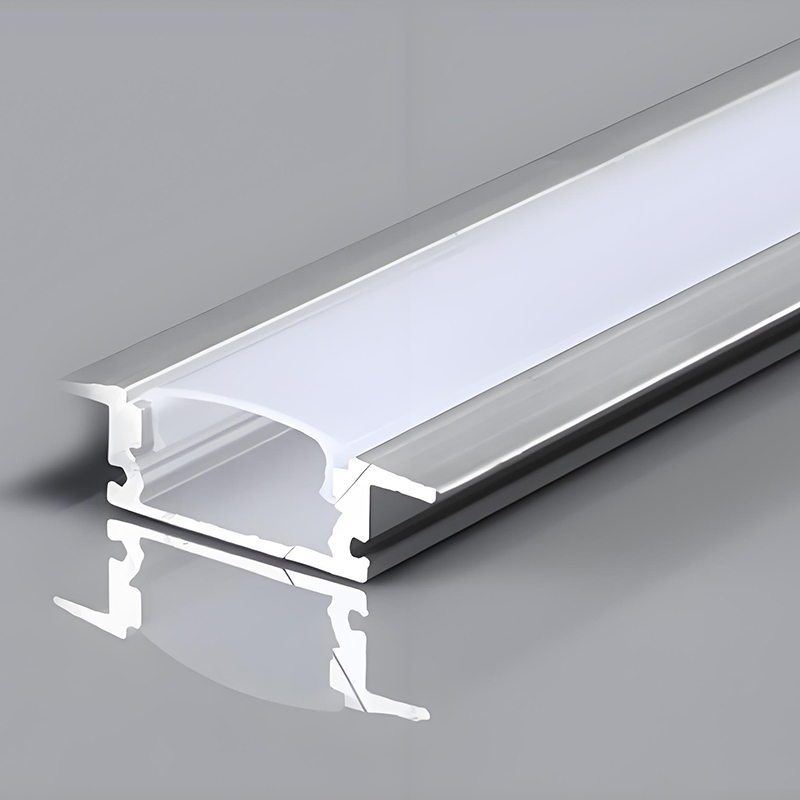
In more design-led spaces, the same linear lighting idea continues today through more architectural systems. Aluminum profiles and linear housings are often used to create a cleaner and more protected way to integrate strip-based lighting in furniture, ceilings, walls, and display structures.
The main appeal of fluorescent tube lighting lies in its shape and output. A linear tube naturally gives a wider spread of light, which helps reduce dark spots in many settings. This makes the light feel more even across a surface or room.
Another important feature is that it works well in repeated fixture layouts. Where multiple light points need to align in a clean, parallel arrangement, fluorescent tubes have traditionally been an efficient choice. Their form supports organized lighting design, which is one reason they became so standard in commercial ceilings and utility lighting.
They also helped users move toward a more modern idea of lighting, where the fixture becomes part of the room’s structure rather than just a bulb holder. That design idea continues strongly today in profile-based lighting systems.
Compared with older incandescent bulbs, fluorescent tube lights were often seen as more efficient and better at covering larger areas. They could provide strong illumination with less of the point-source glare that comes from small concentrated lamps. That made them especially useful in spaces where people needed to read, work, sort items, or move safely.
Compared with newer lighting technologies, fluorescent tubes now sit in a more transitional place. They are still widely recognized and still used in many existing fixtures, but many projects have shifted toward LED-based linear lighting. Even so, the design principle remains very similar. People still want long, even, visually neat lighting lines. The difference is that the light source and housing system have evolved.
This is where aluminum channels and profile systems have become especially relevant. They support the same basic need for linear lighting while offering better integration, protection, and finish options in modern applications.
A fluorescent tube light is not just about the lamp itself. The fixture plays a major role in how the lighting performs. If the housing is poorly designed, hard to maintain, or visually bulky, the lighting system feels less refined even if the tube works well. Good lighting needs both the source and the structure around it.
This is one reason why linear housing design has become more important over time. Users increasingly want lighting systems that not only function well but also look cleaner and fit more naturally into ceilings, cabinets, displays, or architectural details. Aluminum profiles help answer this need because they provide shape, support, surface quality, and a more integrated look.
In that sense, the conversation around fluorescent tube light often connects to a broader lighting question: how to create linear illumination that is functional, protected, and visually tidy.
When buyers look at fluorescent tube lighting or similar linear lighting systems, they usually care about a few practical things. They want the light to be even, the installation to be clean, and the final appearance to suit the space. They also want the fixture to feel stable and easy to maintain.
This is why the surrounding structure matters more than many people think. A good linear housing or profile helps the light line appear more complete. It protects the light source, supports alignment, and improves the overall finish of the project. In commercial displays, shelves, ceiling details, and fitted interiors, that makes the difference between a basic lighting setup and a more polished one.
Although fluorescent tubes and LED strips are different technologies, they share one important lighting idea: long, consistent illumination. That is why aluminum profiles have become such a practical product direction in modern linear lighting. They support structural installation, improve visual integration, and help keep the lighting system cleaner and more organized.
For projects that aim for a refined lighting finish, the profile is no longer just an accessory. It becomes part of the visible design. Surface finish, geometry, installation style, and customization all shape how the final lighting line feels in the space. This is especially valuable in retail displays, cabinetry, architectural details, and modern interior lighting layouts.
So, what is fluorescent tube light? It is a linear lighting source designed to provide broad, even illumination across a longer area. It became popular because it works well in practical spaces, supports organized fixture layouts, and delivers a cleaner lighting line than many traditional bulb formats.
Even as lighting systems continue to evolve, the need behind fluorescent tube lighting remains the same: people still want efficient, consistent, and visually clean linear illumination. That is why profile-based lighting products continue to matter in modern projects.
If you are planning a linear lighting solution and want cleaner housing options, aluminum profile designs, or more integrated lighting structures for your project, feel free to contact our team. We can help you explore suitable profile styles, finishes, and customization options based on your application needs.