
Slim profile aluminum window frames are popular in modern homes because they maximize glass area, sharpen sightlines, and create a lighter architectural feel. Designing a slim frame is not only a styling decision. As the visible frame becomes thinner, the engineering window becomes tighter. Structural stiffness, wind load resistance, water tightness, thermal performance, hardware integration, and manufacturing tolerance must all be managed within a smaller section. A successful design looks minimal from the inside and outside, but still performs like a full-strength window system in daily use.
This guide explains how to design a slim profile aluminum window frame from an engineering and manufacturing perspective, focusing on profile structure, thermal break strategy, glazing and gasket design, drainage paths, hardware zones, and finish requirements.
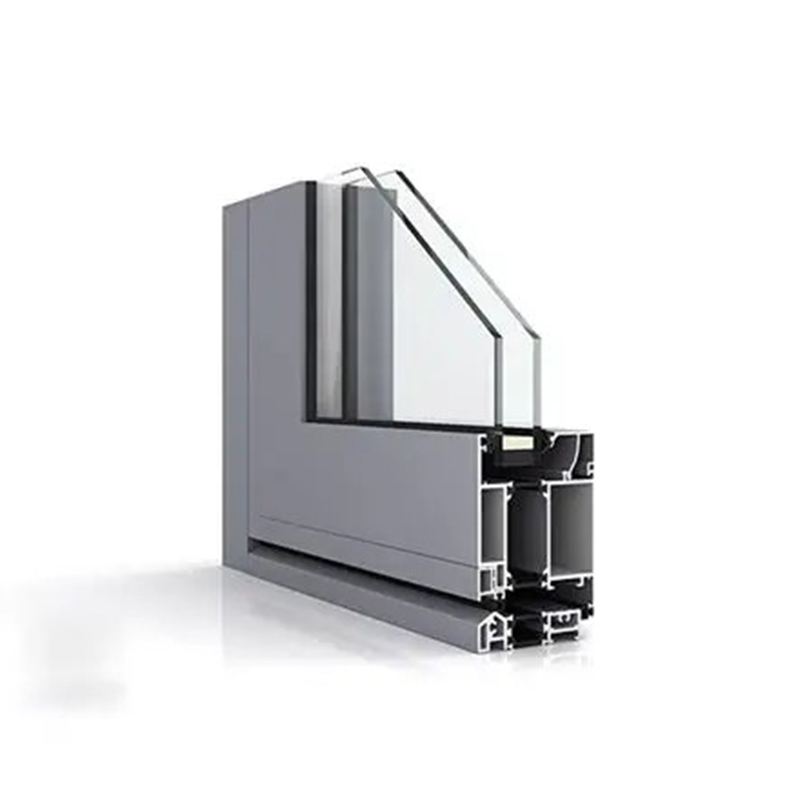
A slim frame concept should begin with clear targets. The visible sightline width is the aesthetic goal, but it must be matched to performance goals that include wind load, deflection limits, water resistance, air tightness, and thermal insulation. If the sightline is reduced without rebalancing the internal geometry, the frame can twist, hardware can misalign, and sealing lines can become unstable.
Modern homes often use large glazing sizes and open views, which increases wind load demand and sash weight. A slim frame design must account for these realities. The best approach is to set the slim sightline target and immediately translate it into internal structural zones, so the frame remains strong even when the outside face looks minimal.
Aluminum has strong design flexibility because extrusion allows complex cross-sections. Slim frames rely on geometry rather than thickness alone. A thin outer face can be supported by internal ribs, box chambers, and reinforced corners that increase moment of inertia and reduce deflection.
A practical design uses closed or semi-closed chambers where possible, because closed sections resist twisting better than open channels. If the frame must remain ultra-slim, reinforcement can be integrated at critical zones such as mullions and meeting stiles, where loads concentrate and hardware forces are highest.
The goal is to keep the visible profile narrow while maintaining stable internal load paths that prevent sagging and maintain consistent gasket compression.
Slim aluminum frames can struggle with thermal performance if the thermal break is treated as an afterthought. Modern homes increasingly demand better insulation, condensation control, and comfort near glazing areas. A thermal break separates the interior and exterior aluminum sections with a low-conductivity barrier, improving energy performance and reducing interior surface temperature drop in cold climates.
When designing slim frames, the thermal break width and location must be planned with structural chambers and glazing pockets. A thermal break that is too narrow may limit performance. A break that is placed poorly can weaken the section or create assembly complexity. A balanced approach designs the chambers around the thermal break so that both thermal and structural goals are met in the same profile.
Glazing selection affects frame design. Glass thickness, lamination, and double or triple glazing change the sash weight and the required bite depth. Slim frames typically aim to hide more of the sash, but the glazing pocket must still provide stable support and safe retention.
A well-designed pocket includes a defined glass support zone, controlled gasket compression lines, and a drainage path that prevents water accumulation around the glass edge. Glass setting blocks and load transfer points should be planned so that weight is carried evenly and the sash does not distort under long-term load.
For modern homes using larger glass panels, designing a glazing pocket that remains stable under temperature cycling and wind pressure is what separates a visually slim frame from a fragile one.
Water leakage is often caused by poor pressure management and incomplete drainage planning, not simply by the absence of sealant. Slim frames have less room to hide drainage features, so the drainage strategy must be integrated into the extrusion.
A high-performing slim frame typically uses a pressure-equalized concept where the outer chamber manages rainwater and wind-driven pressure, while inner seals protect the interior. Weep holes and drainage channels should be sized and placed to evacuate water reliably without becoming blocked by debris.
A slim design that ignores drainage will fail in real weather conditions, especially on coastal projects or high-rise applications where wind pressure is significant.
Hardware and locking systems require defined installation zones. Slim frames often aim to hide hinges and reduce visible hardware, but the frame must still provide enough material thickness and reinforcement for screws, hinge loads, and locking points.
This is where internal ribs and screw ports matter. A good design includes dedicated fastener lands and reinforcement zones so hardware remains tight after repeated opening cycles. If the profile is too thin in hardware zones, screws can strip and alignment drifts, leading to poor sealing and difficult operation.
A durable slim window frame design treats hardware zones as load-bearing structures, not as leftover space.
Slim frames demand tighter tolerances because small misalignments become visible immediately. Corner joining methods, machining accuracy, and seal continuity all influence the final appearance.
If a design uses mechanical corner crimping or corner keys, the profile must include features that allow consistent alignment and stable compression. If welding is used, heat distortion must be managed to avoid warping the slim faces. In either case, gasket continuity across corners must be protected so that water and air sealing does not become the weak point.
A practical manufacturing-oriented design includes clear datum surfaces for assembly and inspection so that mass production can stay consistent.
Modern homes often favor matte textures and clean color consistency across frames, doors, and façade elements. Finish selection should consider UV resistance, scratch behavior, and cleaning ease. For slim frames, surface quality is more noticeable because there is less frame area to hide defects.
Anodizing and powder coating are common architectural finish routes. Finish selection should also consider edge exposure at corners and machining areas, because these zones can reveal inconsistencies if the process is not controlled.
For projects that require a consistent look across multiple buildings or phases, specifying finish standards and sample approvals early reduces mismatch risk later.
| Design Area | Key Decision | What It Controls In Use |
|---|---|---|
| Sightline target | Visible frame width goal | Aesthetics and glass ratio |
| Structural chambers | Rib and box geometry | Deflection and twist resistance |
| Thermal break | Location and width | Energy performance and condensation control |
| Glazing pocket | Glass bite and gasket lines | Safety, sealing stability, sash stiffness |
| Drainage system | Weep paths and pressure zones | Water resistance in wind-driven rain |
| Hardware zone | Reinforcement and screw ports | Smooth operation and long-term alignment |
| Finish system | Anodized or powder coated | UV stability and appearance consistency |
This table helps keep slim design decisions connected to real performance outcomes rather than isolated styling choices.
Slim window frames rely on extrusion design capability and stable manufacturing control. KOGEE provides Architectural Aluminum Profiles for modern building systems and supports profile development based on application needs such as sightline targets, structural reinforcement, thermal break planning, and surface finish requirements. For projects that require a custom slim window frame profile, KOGEE can support design coordination from section concept to prototype evaluation, helping align aesthetic goals with practical manufacturing and performance considerations.
You can explore KOGEE capabilities and profile options on our architectural aluminum profiles page.
Designing a slim profile aluminum window frame for modern homes requires balancing minimal sightlines with structural stiffness, thermal break strategy, glazing pocket stability, drainage reliability, and hardware reinforcement. The best slim frames look clean because the engineering is hidden inside the section geometry, supported by consistent manufacturing tolerances and durable surface finishes. When these elements work together, slim frames deliver modern aesthetics without sacrificing comfort, weather resistance, or long-term usability.
If you are developing a slim window frame system and want guidance on profile section design, thermal break planning, or finish selection, contact KOGEE. Share your target sightline, glazing thickness, project environment, and performance expectations, and we can provide practical recommendations and support for custom profile development.