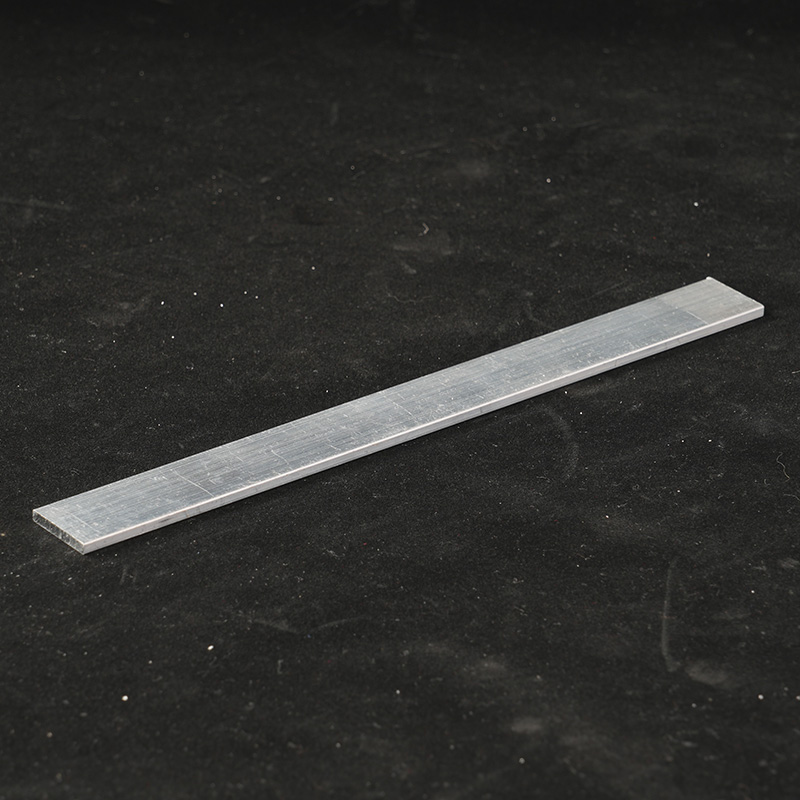

Modern Aesthetic Aluminum Profile
Anodized Aluminum Profile is an extruded aluminum component finished through anodizing to create a durable protective surface with improved corrosion resistance, hardness, and color stability. It combines lightweight construction with a clean metallic appearance, making it suitable for furniture frames, edge trims, concealed handles, and structural details. Different profile dimensions, colors, and surface treatments can be developed according to product requirements. For OEM/ODM buyers, the extrusion section, finish, length, and secondary processing can be coordinated around drawings or samples, providing a practical solution for furniture manufacturers, architectural suppliers, and other businesses requiring consistent aluminum profile production.
| Parameter | Specification |
|---|---|
| Material | Aluminum Alloy |
| Surface Finish | Anodized / Powder Coated / Brushed / Customized |
| Dimensions | Customizable |
| Color | Customized |
| Application | Furniture Manufacturing / etc. |
| Custom | ODM/OEM |
1. Protective Anodized Surface
The anodizing process creates a controlled oxide layer on the aluminum surface, giving the profile a more durable finish than untreated aluminum. It helps improve resistance to corrosion, everyday wear, and environmental exposure while retaining the natural metallic character of the material.
2. Lightweight Aluminum Construction
Aluminum alloy provides a useful combination of low weight and structural strength for furniture and architectural components. This makes profiles easier to handle, process, transport, and integrate into finished products without adding unnecessary mass.
3. Consistent Extruded Geometry
The profile is produced through extrusion, allowing the required cross-section to be formed continuously along the length. Consistent geometry is important when profiles need to fit furniture panels, connectors, handles, trims, or other components during repeated production.
4. Refined Metallic Appearance
Anodized aluminum maintains a clean metallic appearance that works well with modern furniture and interior design. The finish can be used where the aluminum remains visible and needs to contribute to the overall appearance rather than simply perform a concealed structural function.
5. Flexible Custom Processing
Dimensions, colors, and surface treatment requirements can be customized according to the application. Cutting, drilling, CNC machining, and other secondary operations can also be incorporated when the profile needs to arrive as a more complete production component.
1. Furniture Frame Components
Anodized Aluminum Profile can be used as a visible or structural element in furniture frames, providing a clean metal appearance while maintaining a relatively lightweight construction. It is suitable for tables, cabinets, display furniture, and other products where aluminum forms part of the overall design.
2. Edge Trim Applications
The profile can be developed as an edge finishing component for furniture panels, boards, and interior surfaces. An anodized surface provides both decorative value and a protective finish, helping exposed aluminum edges maintain a consistent appearance during regular handling.
3. Concealed Handle Systems
Aluminum profile sections can be shaped for integrated or concealed handle applications. This approach removes the need for large projecting handles and allows cabinet, wardrobe, drawer, and bathroom furniture designs to maintain cleaner and more continuous lines.
4. Interior Structural Details
Architectural and interior products can use anodized profiles for supporting or decorative details where metal remains visible. The combination of extrusion flexibility and surface treatment allows the profile to coordinate with glass, wood, composite panels, and other interior materials.
5. Custom Furniture Products
Furniture brands developing private-label or proprietary products can use customized anodized profiles as dedicated components. Profile dimensions, cross-sections, colors, and processing requirements can be developed around the finished furniture design rather than forcing the product to use a generic standard section.